Omega-3 Gummies vs Pills: A Complete Guide to Choosing Your Supplement
For decades, the quest for optimal health has led many to the powerful benefits of Omega-3 fatty acids. These essential nutrients, crucial for heart, brain, and joint function, are a cornerstone of a proactive wellness routine. However, the journey to incorporating them often hits a familiar roadblock: the classic fish oil pill, with its sometimes challenging size and potential for an unpleasant aftertaste. Enter the modern alternative: Omega-3 gummies. This leaves health-conscious consumers with a significant choice. This comprehensive guide dives deep into the world of Omega-3 gummies vs pills, comparing their forms, benefits, drawbacks, and ideal users to empower you with the information needed to make the best decision for your lifestyle and health goals.
Understanding Omega-3 Fatty Acids: The "Why" Behind the Supplement
Before comparing delivery methods, it’s essential to understand what you’re supplementing. Omega-3s are a family of polyunsaturated fats that are "essential," meaning the body cannot produce them on its own; they must be obtained through diet or supplements.
The three most important types are:
- ALA (Alpha-Linolenic Acid): Found primarily in plant sources like flaxseeds, chia seeds, and walnuts. The body must convert ALA into EPA or DHA to use it, a process that is inefficient in humans.
- EPA (Eicosapentaenoic Acid): Known for its potent anti-inflammatory effects, supporting heart health, and contributing to a positive mood.
- DHA (Docosahexaenoic Acid): A primary structural component of the brain, retina, and sperm cells, making it critical for cognitive function, eye health, and early development.
Most health benefits linked to EPA DHA supplements—such as reduced triglyceride levels, support for brain health, and eased joint discomfort—are attributed to these two marine-derived fatty acids. They are most commonly sourced from fish oil (from cold-water fish like salmon, mackerel, and sardines) or krill oil (from tiny Antarctic crustaceans). For those following a plant-based diet, vegan omega-3 options derived from algae provide a direct source of DHA and, often, EPA.
The Traditional Choice: Omega-3 Pills (Softgels and Capsules)
Omega-3 pills, typically in the form of softgels, have been the standard delivery method for years. They are a concentrated and efficient way to deliver high doses of EPA and DHA.
Key Advantages of Omega-3 Pills:
- Higher Potency: Pills can contain significantly higher amounts of EPA and DHA per serving compared to gummies. It’s common to find softgels with 1,000-1,200 mg of combined Omega-3s, with some concentrated formulas offering even more.
- Purity and Concentration: The distillation process used for high-quality pills allows manufacturers to remove environmental toxins like mercury and PCBs and create concentrated formulas. This means taking fewer pills to achieve a therapeutic dose.
- Reduced Oxidation: Quality softgels are sealed and often contain antioxidants (like vitamin E) to prevent the delicate oils from oxidizing (going rancid), which preserves potency and taste.
- Fewer Additives: To achieve high potencies in a small form, pills generally contain fewer added sugars, artificial colors, and flavors than gummies.
- Broader Ingredient Options: Pills easily accommodate various source oils, including standard fish oil, triglyceride-form fish oil (often better absorbed), krill oil, and algal oil for vegans.
Considerations and Potential Drawbacks:
- "Fish Burps" and Aftertaste: This is the most common complaint. The oil can sometimes reflux, causing a fishy aftertaste or burps. Choosing enteric-coated pills, which dissolve in the intestine rather than the stomach, can mitigate this issue.
- Swallowing Difficulty: Some individuals, including children and those with pill aversion, find larger softgels challenging to swallow.
- Less Enjoyable Experience: The act of taking a pill can feel more like a chore than a treat, which may impact long-term consistency for some users.
The Modern Contender: Omega-3 Gummies
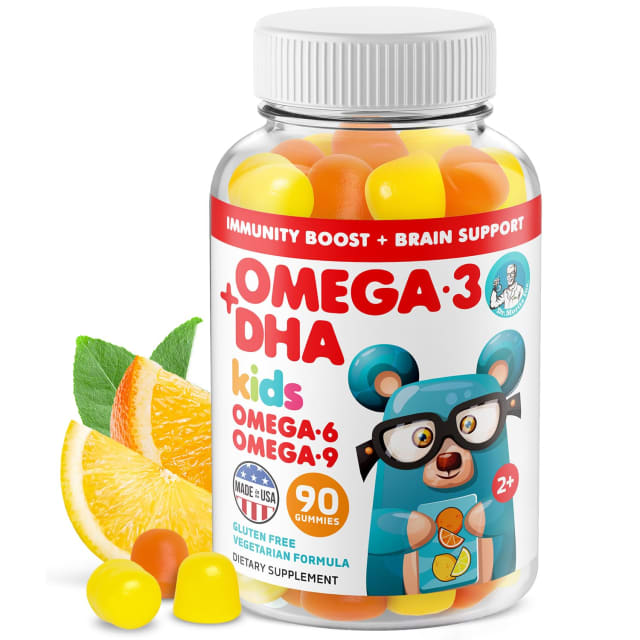
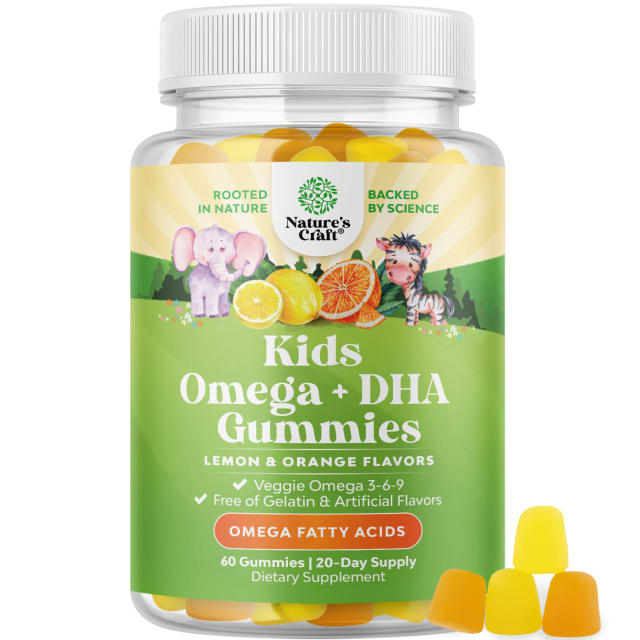
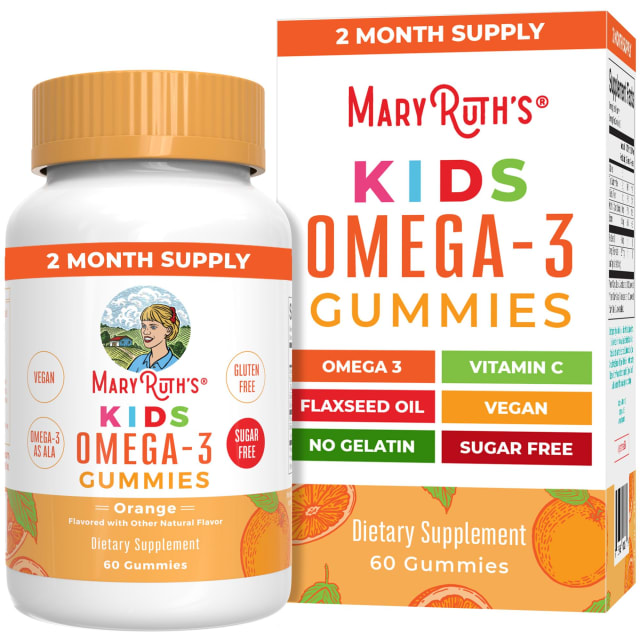
Omega-3 gummies have surged in popularity, offering a palatable and convenient alternative, especially for families and those who dislike swallowing pills.
Key Advantages of Omega-3 Gummies:
- Superior Taste and Palatability: The primary draw. Gummies mask any fishy flavor with pleasant fruity tastes, making supplementation something to look forward to rather than endure.
- Ease of Consumption: No swallowing required. This makes them an excellent option for children, older adults, or anyone with difficulty taking pills.
- Improved Adherence: Because they are enjoyable, people are more likely to take them consistently, which is the most critical factor in realizing any supplement's benefits.
- Often Include Added Nutrients: Many gummy formulas are fortified with other supportive vitamins, such as Vitamin D3 for bone health or Vitamin C for immunity.
Considerations and Potential Drawbacks:
- Lower Potency: To maintain a pleasant texture and taste, gummies typically contain much less EPA and DHA per serving than pills. You may need to take multiple gummies to match the dose of one standard softgel.
- Added Ingredients: To achieve their appealing form, gummies often contain sugars (sucrose, glucose syrup), gelatin (not vegan), artificial colors, and flavors. Sugar-free options using sweeteners like stevia or monk fruit are available.
- Potential for Overconsumption: Their candy-like appearance requires careful storage away from children to prevent accidental overconsumption.
- Stability Concerns: The gummy matrix may not protect the Omega-3 oil from oxidation as effectively as a sealed softgel, making product freshness and proper storage even more crucial.
- Limited Options for Sources: Most Omega-3 gummies use fish oil, with fewer options available for krill oil or vegan omega-3 from algae, though the latter is becoming more common.
Head-to-Head Comparison: Omega-3 Gummies vs Pills
The following table summarizes the key differences to help visualize the choice:
| Feature | Omega-3 Pills (Softgels) | Omega-3 Gummies |
|---|---|---|
| Primary Benefit | High potency & efficiency | Palatability & ease of use |
| Typical Dose per Serving | High (often 1000-2000+ mg combined EPA/DHA) | Lower (often 50-250 mg combined EPA/DHA) |
| Taste / Aftertaste | Potential for fishy aftertaste or burps | Pleasant, fruity, no aftertaste |
| Ease of Swallowing | Can be difficult for some | Very easy, no swallowing needed |
| Common Additives | Fewer; often just oil and gelatin capsule | More; may include sugars, colors, flavors |
| Best For | Those seeking therapeutic doses, purity, and minimal additives | Those with pill aversion, children, and prioritizing taste/adherence |
| Cost Consideration | Cost-effective per mg of Omega-3 | Often more expensive per mg of Omega-3 |
| Dietary Flexibility | Wide range (fish, krill, algal oil) | More limited, often fish-based; check for vegan options |
How to Choose: Which Omega-3 Format is Right for You?
The best format depends entirely on individual needs, health goals, and lifestyle preferences.
Choose Omega-3 Pills If:
- You require a higher, therapeutic dose for specific health concerns like managing high triglycerides.
- You want the most EPA and DHA per serving and prefer to take fewer units.
- You are minimizing your intake of added sugars, artificial flavors, or colors.
- You prefer krill oil or algal oil sources, which are less common in gummy form.
- Cost-effectiveness per milligram of Omega-3 is a priority.
Choose Omega-3 Gummies If:
- You or your family members have a strong aversion to swallowing pills.
- Taste is a primary concern, and you need an enjoyable product to ensure daily consistency.
- You are supplementing children.
- Your daily Omega-3 requirement is lower (for general maintenance), and you don’t mind taking multiple gummies.
- The convenience and experience make you more likely to stick with your supplement routine long-term.
What to Look For on a Label: A Buyer's Guide for Both Formats
Regardless of your chosen format, quality is paramount. Here’s what to scrutinize on any heart health supplement label:
- EPA and DHA Amounts: Don’t just look at total "fish oil" or "Omega-3" content. The label should clearly state the milligrams of EPA and DHA individually. These are the active ingredients.
- Purity and Freshness: Look for third-party testing certifications from organizations like IFOS (International Fish Oil Standards), GOED, or USP. These verify purity (free of heavy metals/toxins) and potency, and ensure the product is not rancid.
- Source: Identify the oil source—wild-caught fish oil, krill oil, or algal oil. Sustainability certifications (MSC, Friend of the Sea) are a plus.
- Form: For pills, "triglyceride form" or "re-esterified triglyceride (rTG)" is often better absorbed than "ethyl ester" form.
- Additional Ingredients: For gummies, check the sugar content and type of sweetener. For pills, see if they are enteric-coated to prevent burps. Avoid unnecessary fillers and allergens.
- Serving Size: Compare how many pills or gummies constitute one serving to understand the true daily cost and dose.
Practical Advice: Dosing, Timing, and Storage
- General Dosing: While individual needs vary, many health organizations suggest a minimum of 250-500 mg of combined EPA and DHA daily for general health. Higher doses (1,000-4,000 mg) may be used under guidance for specific health support. Always consult with a healthcare provider for personalized advice.
- Timing: Omega-3s are fat-soluble. Taking them with a meal that contains dietary fat can significantly enhance absorption and reduce the chance of gastrointestinal upset or fishy burps. This applies to both gummies and pills.
- Storage: Store all Omega-3 supplements in a cool, dark place. The refrigerator is ideal, especially after opening, to prevent the delicate oils from oxidizing and becoming rancid. Always secure the lid tightly.
Potential Side Effects and Interactions
Both gummies and pills are generally well-tolerated, but considerations exist.
- Gastrointestinal Effects: Mild side effects can include fishy aftertaste (pills), burping, heartburn, or loose stools. Taking with food usually helps.
- Blood Thinning: High doses of Omega-3s can have a mild blood-thinning effect. Individuals on blood-thinning medications (like warfarin) or with upcoming surgery should consult their doctor.
- Allergies: Those with seafood or fish allergies should opt for algal oil (vegan omega-3). Gummy users should also check for allergens like gelatin or specific fruit flavors.
- Sugar Intake: For gummy users, especially those taking multiple daily, the added sugar content should be factored into the overall daily diet.
Frequently Asked Questions (FAQ)
Q: Are Omega-3 gummies as effective as pills? A: If they contain comparable amounts of bioavailable EPA and DHA, they can be equally effective per milligram. The challenge is that gummies often contain far less Omega-3 per serving. Effectiveness ultimately depends on the dose you consume and your consistency in taking it.
Q: Can I get enough EPA and DHA from gummies alone? A: It depends on the product and your needs. You must read the label carefully. To get a standard 1,000 mg dose of combined EPA/DHA, you might need to take 4-6 typical gummies, which may not be cost-effective or desirable due to added sugars. For high-dose needs, pills are usually more practical.
Q: Do Omega-3 gummies taste fishy? A: High-quality Omega-3 gummies are specifically formulated to mask any fishy taste with strong, pleasant fruit flavors and sweeteners. Most users report no fishy taste at all.
Q: What’s the difference between fish oil and krill oil? A: Both provide EPA and DHA. Krill oil carries Omega-3s in a phospholipid form, which some studies suggest may be absorbed more efficiently. It also contains the antioxidant astaxanthin, which gives it a red color and helps prevent oxidation. Krill oil is typically more expensive and less common in gummy form.
Q: Are there vegan Omega-3 gummies? A: Yes, but they are less common. Look for gummies that explicitly state they use algal oil (from algae) as the Omega-3 source and use pectin instead of gelatin for gelling. Always check the label.
Q: Can children take Omega-3 gummies? A: Yes, Omega-3 gummies are a popular way to supplement children's diets. It is crucial to choose a product specifically formulated for children, with age-appropriate dosing, and to store them out of reach to prevent overconsumption. Consulting a pediatrician is always recommended.
Final Verdict: It’s About Consistency and Your Needs
The debate between Omega-3 gummies vs pills isn't about one being universally superior. It’s about identifying which tool best helps you build a consistent, long-term habit.
For those seeking maximum potency, purity, and cost-efficiency for targeted health support, traditional pills remain the powerhouse choice. For individuals and families who prioritize taste, ease, and an enjoyable routine to ensure they never miss a day, gummies offer a compelling and effective pathway.
The most beneficial Omega-3 supplement is the one you will take reliably. By understanding the trade-offs in potency, ingredients, and experience, you can confidently select the format that aligns with your health objectives and daily life, unlocking the profound benefits these essential fatty acids offer for your heart, brain, and overall well-being.
Affiliate Disclosure
Gummy.mom may earn a commission from purchases made through links on this page. This helps support our research and content creation. We only recommend products we genuinely believe in and have thoroughly researched.