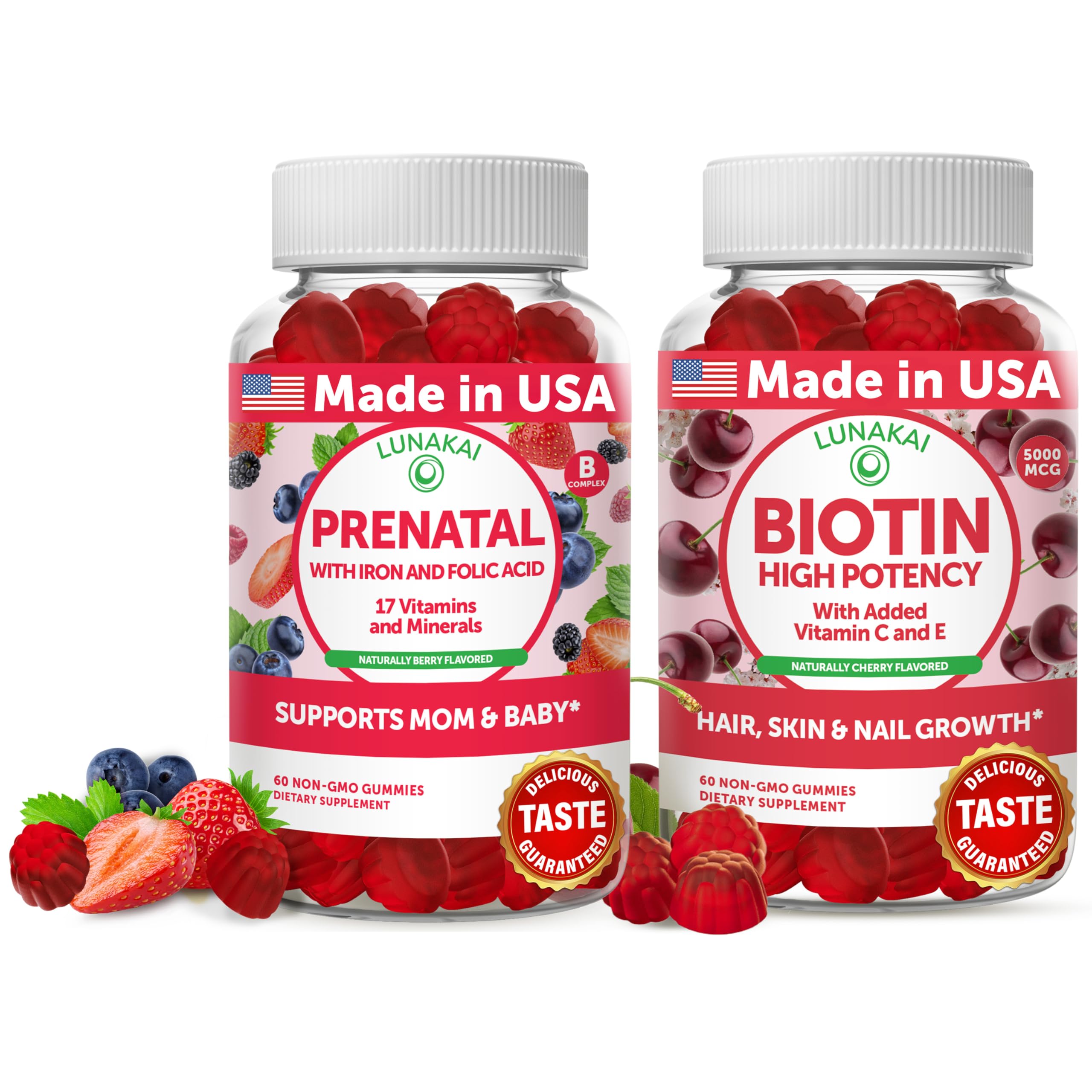
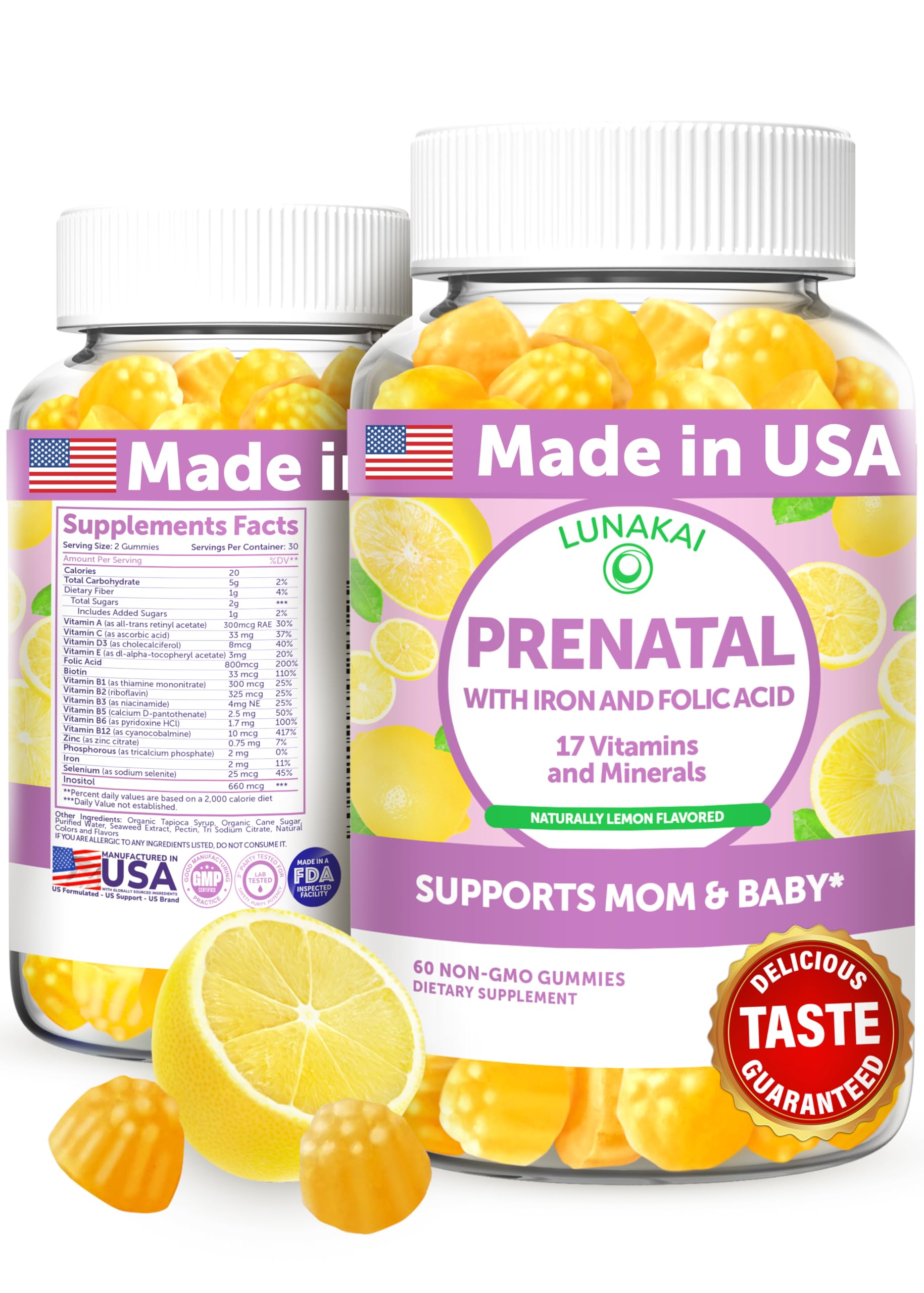
Prenatal Vitamins After Pregnancy: Why Your Postpartum Body Still Needs Support
The journey of pregnancy is a profound transformation, and the arrival of your baby marks the beginning of a new chapter. For nine months, prenatal vitamins were a cornerstone of your daily routine, diligently supporting your baby’s development. But what happens after you give birth? The common assumption is that prenatal vitamins can be shelved along with maternity clothes. However, emerging research and expert guidance strongly suggest that continuing with prenatal vitamins after pregnancy—often for an extended period—is a critical step for postpartum recovery and long-term maternal health. This comprehensive guide explores the science, benefits, and practical considerations of taking prenatal vitamins in the postpartum period, with a specific focus on the role of convenient and palatable prenatal gummies.
The Postpartum Body: A Landscape of Recovery and Demand
The postpartum period, often defined as the first year after childbirth, is a time of immense physical and hormonal recalibration. The body is recovering from the significant demands of pregnancy and childbirth, while also adapting to the new requirements of lactation if breastfeeding. Nutrient stores are often depleted.
- Nutrient Depletion: Pregnancy diverts a substantial portion of vitamins and minerals to the developing fetus. Key nutrients like iron (lost through blood during delivery), folate, calcium, and B-vitamins can be at low levels.
- Lactation Demands: Breastfeeding is nutritionally demanding, requiring even higher daily intakes of certain nutrients than pregnancy itself to ensure both milk quality and maternal reserves are maintained.
- Supporting Overall Well-being: Adequate nutrition is foundational for energy levels, immune function, emotional balance, and tissue repair—all essential for caring for a newborn.
Discontinuing a comprehensive supplement immediately after delivery can leave a nutritional gap at a time when the body needs support the most.
Key Nutrients in Prenatal Gummies and Their Postpartum Role
Prenatal gummies are a popular format due to their taste and ease of use, especially for those with pill fatigue or nausea. The best prenatal gummies are formulated with a specific blend of nutrients crucial for both pregnancy and postpartum. Here’s a breakdown of why these components remain vital after your baby is born.
1. Folic Acid (or Methylfolate)
- Postpartum Function: While its role in preventing neural tube defects is complete, folate remains critical. It supports new cell production for healing tissues, aids in protein metabolism, and is essential for red blood cell formation to combat postpartum anemia. Adequate folate also supports mental well-being.
- Consideration for Future Pregnancies: If pregnancies are spaced closely, maintaining adequate folate levels is prudent for future fetal development.
2. DHA (Docosahexaenoic Acid)
- Postpartum Function: This omega-3 fatty acid is a superstar for postpartum health. It is transferred to breast milk, supporting the infant’s brain and visual development. For the mother, DHA is linked to supporting a positive mood and cognitive function, which can be beneficial during the "baby brain" fog and adjustment period.
- Source in Gummies: Often derived from algal oil, making it a vegetarian-friendly option.
3. Iron
- Postpartum Function: Critical for replenishing iron stores depleted by blood loss during delivery. Iron deficiency is a common cause of postpartum fatigue, weakness, and shortness of breath. Adequate iron is necessary to restore energy and vitality.
- Note in Gummies: Not all prenatal gummies contain iron, as it can affect taste and texture. It’s essential to check the label. If your gummies don’t contain iron, a separate iron supplement may be needed, especially if diagnosed with anemia.
4. Vitamin D
- Postpartum Function: Supports calcium absorption for bone health, which is important as maternal calcium stores may have been utilized. Vitamin D also plays a role in immune function and mood regulation. Breastfed infants are also dependent on maternal vitamin D intake or supplementation for their own needs.
- Common in Gummies: Often included in significant amounts, as deficiency is widespread.
5. B-Vitamins (B6, B12)
- Postpartum Function: Vital for energy production from food, neurological function, and the formation of red blood cells. Vitamin B6, in particular, has been studied for its role in supporting healthy mood balance.
6. Choline
- Postpartum Function: An essential nutrient that supports the mother’s liver function and brain health. It is also secreted into breast milk and is crucial for the infant’s brain development.
7. Iodine
- Postpartum Function: Necessary for the production of thyroid hormones, which regulate metabolism, energy, and mood. Postpartum thyroiditis is not uncommon, and adequate iodine supports thyroid health. It is also passed to the infant through breast milk for their cognitive development.
Prenatal vs. Postnatal Vitamins: Understanding the Difference
This is a common point of confusion. While continuing prenatal vitamins is often recommended, some may consider switching to a dedicated postnatal formula.
| Feature | Prenatal Vitamins (continued postpartum) | Dedicated Postnatal Vitamins |
|---|---|---|
| Primary Focus | Fetal development & maternal support during pregnancy. | Maternal recovery, lactation support, and energy. |
| Key Nutrient Levels | High in Folic Acid, Iron, DHA. | May maintain Folic Acid & DHA, often higher in certain B-vitamins, Vitamin D, and sometimes include lactation herbs (e.g., fenugreek). |
| Iron Content | Typically higher, to build maternal stores. | May be lower, assuming blood loss has been addressed. |
| Best For... | General postpartum nutritional gap filling, especially before weaning. May be ideal if planning another pregnancy soon. | Targeted support for breastfeeding, energy, and hair/skin/nail health post-weaning. |
| Format | Available as pills, capsules, and prenatal gummies. | Less commonly found in gummy form; typically capsules or tablets. |
The Verdict: For many new mothers, continuing with a high-quality prenatal vitamin—such as a comprehensive prenatal gummy—for at least the first 6 months postpartum, or throughout the duration of breastfeeding, is a simple and effective strategy. It ensures a baseline of essential nutrients. A dedicated postnatal may be considered for targeted needs, but a prenatal often provides a robust foundation.
How Long Should You Take Prenatal Vitamins After Pregnancy?
There is no one-size-fits-all answer, but general guidelines from health professionals provide a framework:
- Throughout Breastfeeding: The American College of Obstetricians and Gynecologists (ACOG) recommends continuing prenatal vitamins for as long as you are breastfeeding. The nutritional demands of lactation are significant.
- For at Least 6 Months Postpartum (if not breastfeeding): This allows time for the body to replenish nutrient stores depleted during pregnancy and childbirth.
- Until the Return of Menstrual Cycles: For some, this can be a natural milestone indicating a return to a new hormonal baseline.
- Indefinitely for General Health: Some women, after consulting with their doctor, choose to continue with a prenatal formula as their daily multivitamin due to its comprehensive profile, particularly if it includes beneficial oils like DHA.
The decision should always be made in consultation with a healthcare provider who understands your personal health history, dietary intake, and any specific deficiencies.
Choosing the Best Prenatal Gummies for Postpartum Use
When selecting prenatal gummies to continue after pregnancy, consider these factors:
- Comprehensive Nutrient Profile: Look for gummies that go beyond just folic acid. Ideal candidates include DHA, Vitamin D, Iodine, Choline, and a range of B-vitamins.
- Iron Content: Check the label. If the gummy does not contain iron (many don’t), discuss with your doctor whether you need a separate iron supplement, especially in the early postpartum weeks.
- Sugar Content & Ingredients: Gummies use sweeteners for palatability. Look for options with lower added sugar, no high-fructose corn syrup, and made with natural colors and flavors if possible. Also, check for allergen statements (gelatin vs. pectin for vegan).
- Third-Party Testing: Choose brands that are USP-verified or undergo similar third-party testing for purity, potency, and to ensure they are free from contaminants like heavy metals.
- Dosage: Follow the label instructions, which is typically 1-2 gummies per day. Ensure the serving size provides meaningful amounts of key nutrients at or near the Recommended Dietary Allowances (RDAs) for lactating women.
Potential Considerations and Side Effects
Prenatal vitamins, including gummies, are generally safe but have some considerations:
- Gastrointestinal Issues: Even post-pregnancy, some formulas (especially those with iron) can cause constipation or nausea. Gummies without iron may alleviate this.
- Overconsumption Risk: Because they taste like candy, it’s crucial to keep them out of reach of children and adhere strictly to the recommended dose. Overconsumption of fat-soluble vitamins (A, D, E, K) or iron can be harmful.
- Dental Health: The sugary coating can stick to teeth. It’s advisable to take them with a meal and maintain good oral hygiene.
- Not a Complete Substitute: Supplements are meant to complement a nutrient-rich diet, not replace it. A focus on whole foods—lean proteins, healthy fats, fruits, vegetables, and whole grains—remains paramount for postpartum recovery.
FAQ: Prenatal Vitamins After Pregnancy
Q1: Can I just switch to a regular women’s multivitamin after I give birth? A regular multivitamin may not contain adequate levels of key nutrients needed for postpartum recovery and lactation, such as Choline, high-dose DHA, or the specific B-vitamin levels. Prenatal vitamins are formulated for this heightened nutritional demand. Continuing with a prenatal or choosing a dedicated postnatal is often more beneficial.
Q2: I’m not breastfeeding. Do I still need to take prenatal vitamins? Yes, for a period of time. The postpartum body needs to heal and replenish its nutrient stores regardless of feeding method. Most experts recommend continuing for at least 2-6 months postpartum to aid in recovery, support energy levels, and restore deficiencies.
Q3: What happens if I don’t take prenatal vitamins after pregnancy? While a balanced diet is most important, skipping supplementation can slow recovery, prolong fatigue, and make it harder to rebuild nutrient reserves. It may also impact milk nutrient quality for breastfeeding mothers and affect the mother’s own long-term bone, brain, and immune health.
Q4: Are prenatal gummies as effective as pills for postpartum use? They can be, provided they contain a comparable spectrum and dosage of essential nutrients. The main compromise is often the lack of iron in gummies. If your gummy doesn’t contain iron and you need it, you will require a separate supplement. The bioavailability of nutrients in gummy form is generally good.
Q5: Can taking prenatal vitamins after pregnancy help with postpartum hair loss? Postpartum hair loss is primarily driven by hormonal shifts. However, ensuring adequate intake of nutrients like Biotin, Zinc, Iron, and Vitamins C, D, and E can support the health of the hair you have and create a good environment for new hair growth as your hormones stabilize. A prenatal vitamin provides these foundational nutrients.
Q6: When should I stop taking prenatal vitamins? There’s no mandatory stop date. A common timeline is to continue for the duration of breastfeeding plus 1-2 months after weaning. Others may transition to a general multivitamin once they resume a regular menstrual cycle and feel their energy and health are fully restored. The best plan is one developed with your healthcare provider.
Conclusion: An Investment in Long-Term Health
The decision to continue taking prenatal vitamins after pregnancy is a powerful investment in your own well-being during the transformative postpartum period. Prenatal gummies offer a convenient and enjoyable way to maintain this nutritional support, providing essential building blocks like folic acid, DHA, and key vitamins that aid in physical recovery, support emotional balance, and fuel the demanding task of caring for a newborn.
By understanding the ongoing needs of your body and choosing a high-quality supplement, you are not just closing a nutritional gap—you are actively fostering resilience and health for yourself as you embark on the incredible journey of motherhood. Always remember to pair supplementation with a nourishing diet, adequate hydration, and open communication with your healthcare team to tailor a plan that is perfect for you.
Affiliate Disclosure
Gummy.mom may earn a commission from purchases made through links on this page. This helps support our research and content creation. We only recommend products we genuinely believe in and have thoroughly researched.