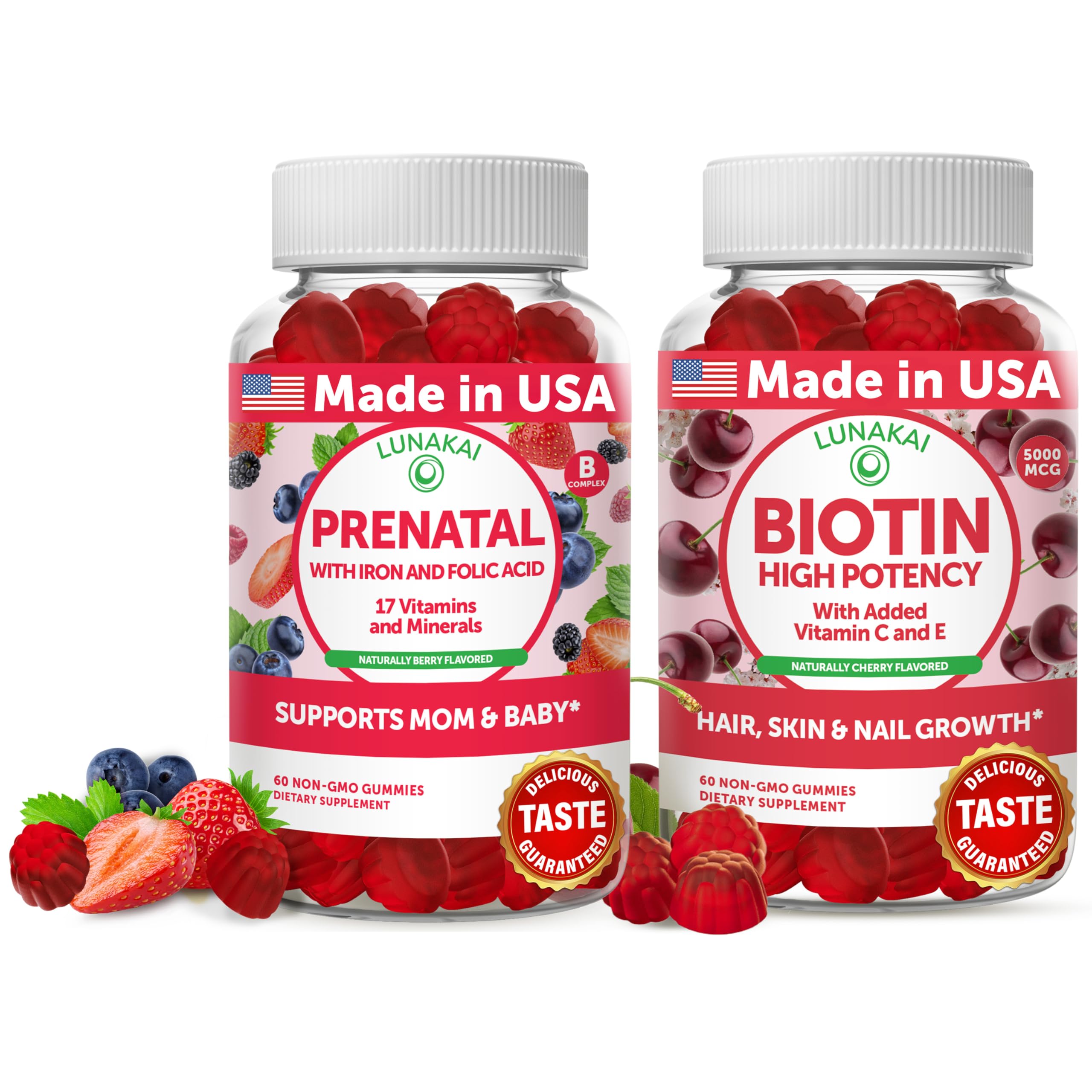
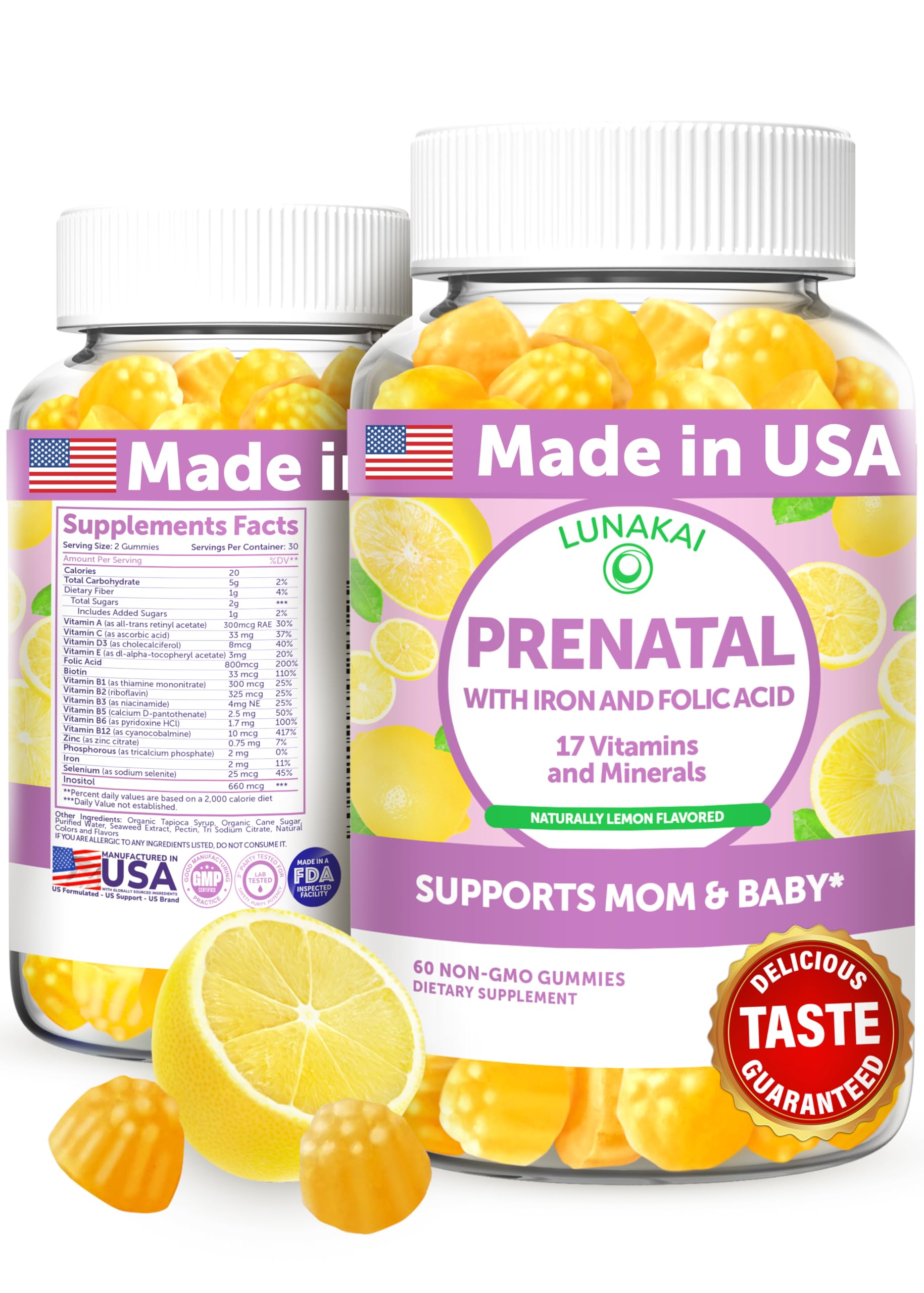
Prenatal Vitamins for Morning Sickness: A Complete Guide to Gummy Supplements
For many expecting mothers, the first trimester is synonymous with morning sickness. This common, yet challenging, symptom can make it difficult to maintain a balanced diet and, crucially, keep down essential prenatal vitamins. This is where the formulation, timing, and even the format of your prenatal supplement become critical. Prenatal gummies have emerged as a popular alternative to traditional pills, offering a palatable and often easier-to-tolerate option during this sensitive time. This comprehensive guide explores how prenatal vitamins, specifically in gummy form, can be strategically used to manage morning sickness while ensuring both mother and baby receive the vital nutrients required for a healthy pregnancy and postpartum recovery.
Understanding Morning Sickness and Nutritional Gaps
Morning sickness, characterized by nausea and vomiting, affects an estimated 70-80% of pregnant women. Despite its name, it can strike at any time of day or night. While the exact cause isn't fully understood, it's strongly linked to rapidly rising levels of the pregnancy hormone hCG (human chorionic gonadotropin).
The primary concern with persistent morning sickness is its potential to lead to nutritional deficiencies. When an expectant mother struggles to eat a varied diet or consistently loses meals, she may miss out on key vitamins and minerals. Furthermore, if swallowing a large, sometimes odorous, prenatal pill triggers gagging or nausea, she might avoid taking it altogether, creating a significant gap in prenatal nutrition. This makes choosing the right supplement format not just a matter of preference, but a practical strategy for prenatal health.
Why Consider Prenatal Gummies for Nausea Management?
Prenatal vitamin gummies offer several distinct advantages for women experiencing morning sickness:
- Easier to Tolerate: Their small, chewable form eliminates the need to swallow a large pill, which can be a trigger for gag reflexes. The act of chewing can also be more manageable than swallowing when feeling nauseous.
- Pleasant Taste and Smell: High-quality gummies are formulated with natural flavors and colors to mask the metallic or vitamin-like taste and smell that some traditional pills have, which are common nausea triggers.
- Gentler on an Empty Stomach: They can sometimes be easier on a sensitive stomach, especially when taken with a small, bland snack. However, individual responses vary.
- Improved Compliance: Because they are more palatable and less intimidating, women are more likely to take them consistently, ensuring steady nutrient intake.
It is vital to note that while prenatal gummies can be a fantastic tool for compliance and nausea management, they often have limitations compared to comprehensive pill-based prenatal vitamins, which will be discussed in detail.
Key Nutrients in Prenatal Gummies: What to Look For
When selecting prenatal gummies for morning sickness, scrutinizing the label is essential. Not all gummies are created equal. Here are the core nutrients to prioritize:
1. Folic Acid (or Methylfolate)
This is the most critical nutrient in early pregnancy. Adequate folic acid intake dramatically reduces the risk of neural tube defects in the developing baby. The standard recommendation is 600 micrograms (mcg) daily. Many folic acid gummies meet this requirement. Some premium brands use methylfolate, the active form of folate, which is easier for some individuals to absorb.
2. DHA (Docosahexaenoic Acid)
An omega-3 fatty acid crucial for fetal brain and eye development. Since DHA is primarily found in fatty fish, supplementation is often recommended. Look for DHA prenatal gummies that provide at least 200-300 mg of DHA. Note that many gummies require a separate DHA softgel, as incorporating sufficient fish oil into a gummy can be challenging.
3. Iron: The Common Compromise
This is the most significant difference between gummies and traditional prenatal pills. Very few prenatal gummies contain iron. Iron is a major contributor to nausea and constipation in pill form, so manufacturers typically omit it from gummies to make them more stomach-friendly. While this helps with morning sickness, it means you must obtain iron through diet (red meat, lentils, spinach, fortified cereals) or a separate, gentle iron supplement prescribed by your healthcare provider. Regular blood tests can monitor iron levels.
4. Other Essential Vitamins and Minerals
- Vitamin B6: Directly studied for its ability to reduce nausea and vomiting in pregnancy. A quality prenatal gummy should contain B6.
- Vitamin B12: Works alongside folate and is important for energy and nervous system health.
- Vitamin D3: Supports immune function, bone health, and may play a role in mood regulation.
- Iodine: Essential for the baby's thyroid and cognitive development.
- Choline: An increasingly recognized important nutrient for brain development.
Comparison: Prenatal Gummies vs. Traditional Prenatal Pills
The table below highlights the key differences to help inform your choice, especially when managing morning sickness.
| Feature | Prenatal Gummies | Traditional Prenatal Pills |
|---|---|---|
| Format & Taste | Chewable, flavorful, often fruit-like. | Swallowed whole, may have a vitamin odor/taste. |
| Ease of Taking | High. Easier for those with pill aversion or gag reflex. | Variable. Can be difficult with nausea. |
| Iron Content | Rarely included. Must be sourced separately. | Almost always included. Can cause nausea/constipation. |
| DHA Content | Sometimes included, but often at lower doses. May be separate. | Often included in comprehensive formulas or as a separate softgel. |
| Completeness | May lack certain minerals (iron, calcium, magnesium) due to gummy format. | Typically more comprehensive, including a wider range of minerals. |
| Sugar Content | Contain some sugar for taste and texture. | Usually sugar-free. |
| Best For | Managing morning sickness, pill aversion, first trimester. | Comprehensive nutrition, especially if iron supplementation is needed. |
A Step-by-Step Guide to Using Prenatal Gummies for Morning Sickness
Step 1: Consult Your Healthcare Provider
Before starting any supplement, discuss your morning sickness and supplement options with your doctor or midwife. They can recommend specific brands, check for nutrient gaps (like iron), and ensure the gummy aligns with your health profile.
Step 2: Selecting the Right Gummy
Look for a product that covers the basics: folic acid (600 mcg), DHA (200+ mg), Vitamin B6, B12, D3, and Iodine. Check for third-party testing seals (like USP or NSF) which verify purity and potency. Read reviews from other moms who used them for morning sickness.
Step 3: Timing and Dosing for Optimal Tolerance
- Take with Food: Never take prenatal vitamins on a completely empty stomach. Have a few crackers, a piece of dry toast, or a handful of almonds first.
- Split the Dose: If the label allows, consider taking one gummy in the morning and one in the evening to spread out the nutrient load and minimize any stomach upset.
- Find Your "Golden Hour": Experiment with timing. Some women find taking them right before bed (with a small snack) helps them sleep through any potential queasiness.
- Stay Consistent: Take them at the same time(s) each day to build a routine.
Step 4: Pair with Dietary Strategies
Prenatal gummies are a supplement, not a replacement for food. Pair them with a morning sickness-friendly diet:
- Eat small, frequent meals (every 1-2 hours).
- Prioritize bland, easy-to-digest carbs (bananas, rice, applesauce, toast).
- Sip ginger tea or chew ginger candies.
- Stay hydrated with small sips of water, coconut water, or electrolyte drinks throughout the day.
Step 5: Transitioning Postpartum
Many postnatal gummies are formulated to support recovery and breastfeeding. They often maintain nutrients like DHA, B vitamins, and Vitamin D, but may adjust levels of folic acid and add nutrients for postpartum healing and milk production. Discuss with your provider if you should switch to a postnatal formula after delivery.
Important Considerations and Potential Side Effects
While prenatal gummies are generally well-tolerated, they are not without considerations:
- Sugar and Calorie Content: Gummies contain sugar for palatability. While the amount is small (typically 2-5 grams per serving), it's a factor for those monitoring sugar intake. Some brands use sugar alcohols, which can cause digestive upset in sensitive individuals.
- Overconsumption Risk: Their candy-like appearance makes it crucial to keep them out of reach of children. Adhere strictly to the recommended dosage.
- Nutrient Gaps: As highlighted, the lack of iron and often lower levels of minerals like calcium and magnesium mean diet becomes paramount. A healthcare provider can assess if additional supplementation is needed.
- Allergens: Check labels for common allergens like gelatin (often porcine or bovine), soy, or food dyes if you have sensitivities.
- Dental Health: Chewy vitamins can stick to teeth. It's advisable to rinse your mouth with water or brush your teeth after taking them.
Frequently Asked Questions (FAQ)
Q1: Can I only rely on prenatal gummies for my nutrition during pregnancy? No. Prenatal gummies are an excellent tool to ensure you get certain key vitamins, but they are a supplement to a healthy diet, not a replacement. Due to the typical lack of iron and other minerals, focusing on a nutrient-rich diet is essential. Always use them as part of a comprehensive prenatal care plan.
Q2: I'm in my second trimester and my morning sickness has passed. Should I switch from gummies to a pill? This is a great question for your doctor. If your iron levels are good and you are getting comprehensive nutrition from your diet, staying with gummies may be fine. However, many healthcare providers recommend a more complete prenatal pill with iron in the second and third trimesters as blood volume increases. The best prenatal vitamins for 2026 will likely offer advanced, stomach-friendly iron formulations in pill form.
Q3: Are postnatal gummies different from prenatal gummies? Yes, they are formulated for different needs. Postnatal gummies often reduce folic acid (as neural tube development is complete) and may increase nutrients that support recovery, energy, and breast milk production, such as certain B vitamins, Vitamin D, and sometimes choline. They are an excellent option for the "fourth trimester."
Q4: How long does it take for prenatal vitamins to help with morning sickness? If the gummy contains Vitamin B6, it may help reduce nausea, but it is not an instant cure. Consistency is key. The primary role of the prenatal vitamin is to prevent nutritional deficiencies that can be exacerbated by morning sickness. For severe nausea (hyperemesis gravidarum), prescription medication may be necessary.
Q5: Can I take prenatal gummies if I have gestational diabetes? You should consult your healthcare team. While the sugar content in a single serving of gummies is relatively low, your doctor or dietitian may recommend a sugar-free prenatal pill to better align with your blood sugar management plan.
Q6: What should I do if I forget to take my gummy one day? Do not double your dose the next day. Simply take your next scheduled dose as normal. The goal is consistent, long-term nutrition, and missing a single day is not typically cause for concern. Setting a daily phone reminder can help maintain consistency.
Making an Informed Choice for You and Your Baby
Choosing the right prenatal supplement is a deeply personal decision that balances nutritional needs with physical tolerance. For women battling morning sickness, prenatal vitamin gummies can be a game-changer, enabling consistent intake of foundational nutrients like folic acid and DHA without triggering nausea. By understanding their strengths—and their common compromises like the lack of iron—expecting mothers can make an empowered choice.
The journey through pregnancy and into postpartum recovery is unique for every woman. Whether you opt for gummies, pills, or a combination, the most important action is to start a dialogue with your healthcare provider. They can help you select a high-quality supplement that fits your specific needs, ensuring you and your baby are supported with essential nutrients during this incredible chapter of life.
Affiliate Disclosure
Gummy.mom may earn a commission from purchases made through links on this page. This helps support our research and content creation. We only recommend products we genuinely believe in and have thoroughly researched.