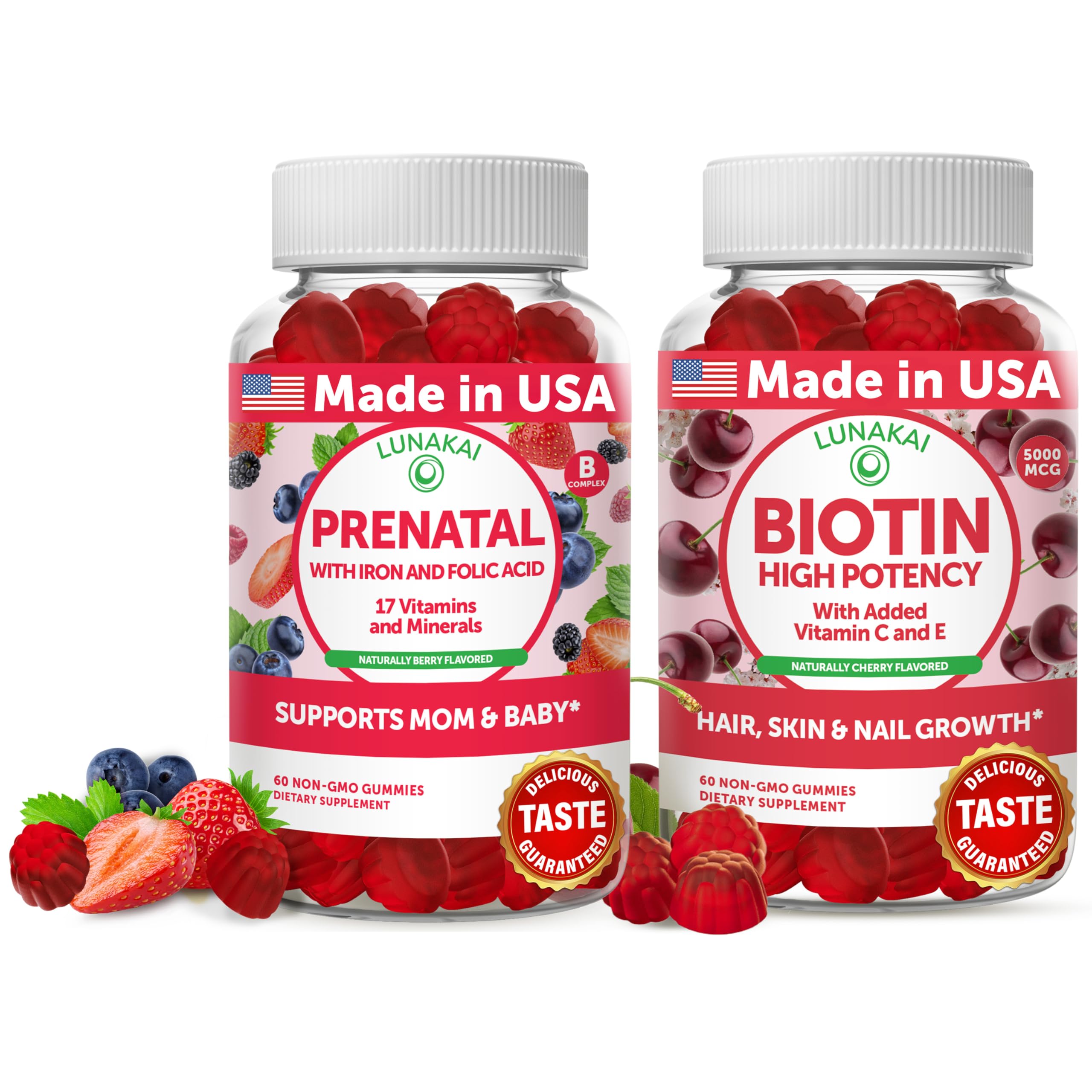
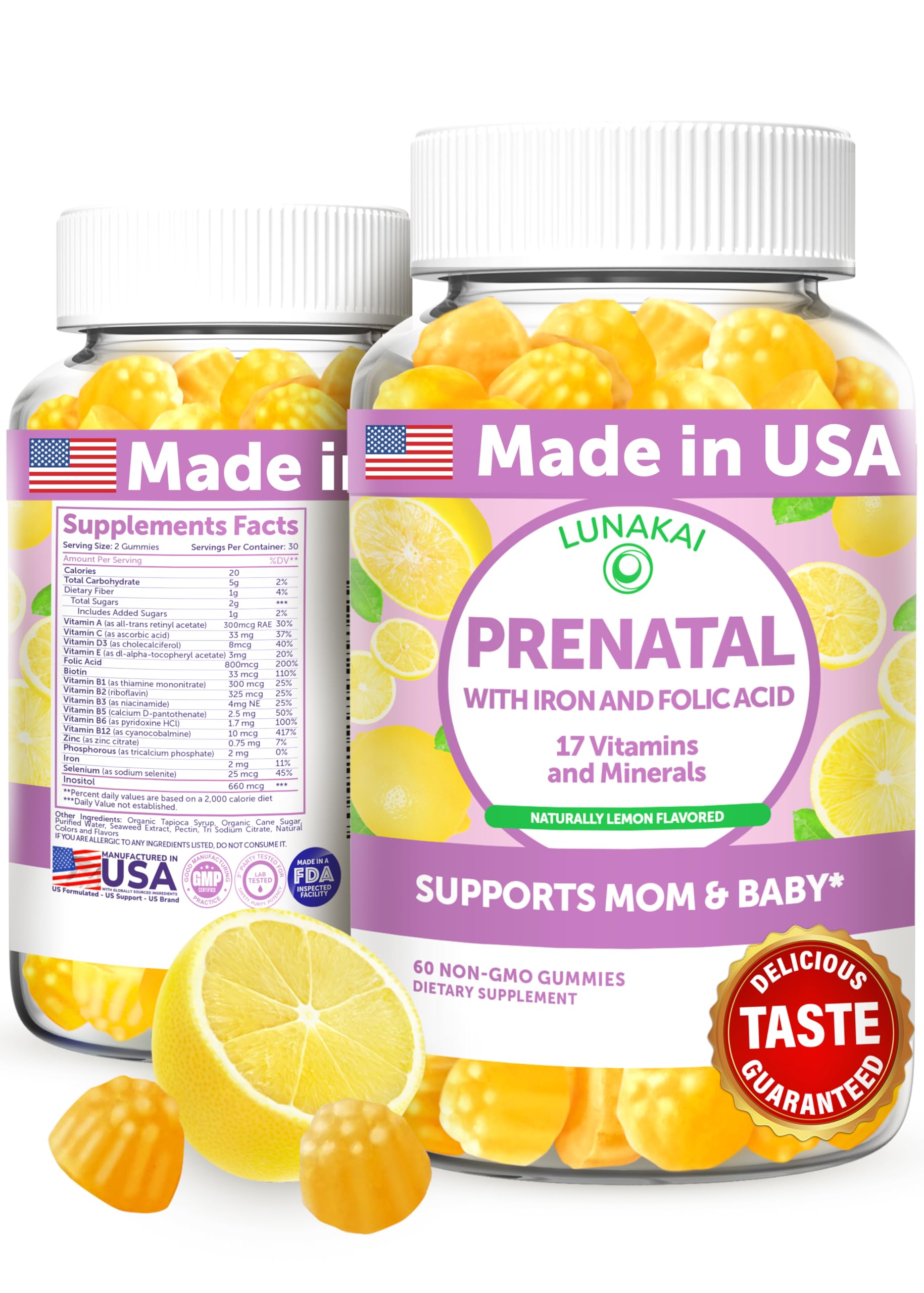
Prenatal Vitamins for Hair Growth: A Complete Guide for Expecting and New Moms
For many women, pregnancy and the postpartum period bring about a surprising change: thicker, faster-growing, and more lustrous hair. This phenomenon has led to a popular belief that prenatal vitamins themselves are a secret weapon for hair growth, even for those who aren't pregnant. But what’s the real story? This comprehensive guide explores the science behind prenatal vitamins and hair health, focusing on the role of gummy formulations for expecting and new mothers. It separates fact from fiction, providing actionable information to support a healthy pregnancy and postpartum recovery.
The Science Behind Prenatal Vitamins and Hair Health
Hair growth is a complex biological process that occurs in cycles: growth (anagen), transition (catagen), and resting (telogen). During pregnancy, elevated estrogen levels prolong the anagen phase, meaning fewer hairs enter the resting and shedding phase. This results in the famously thicker "pregnancy hair." After delivery, hormone levels normalize, triggering a synchronized shift of many hairs into the telogen phase, leading to temporary postpartum shedding, often peaking around 3-4 months after birth.
Prenatal vitamins are not formulated as hair growth supplements. Their primary, critical purpose is to fill nutritional gaps and support the immense demands of fetal development and maternal health. However, the robust blend of essential nutrients they contain indirectly creates an optimal internal environment for healthy hair follicle function. When the body is well-nourished, all its processes—including hair growth—can operate more efficiently.
Key Nutrients in Prenatal Gummies That Support Hair
The hair growth benefits attributed to prenatal vitamins stem from their dense nutritional profile. Here are the key players commonly found in prenatal gummies:
- Biotin: Perhaps the most famous vitamin for hair, skin, and nails. Biotin is a B-vitamin that plays a crucial role in keratin production, the protein that makes up hair. While biotin deficiency can cause hair loss, extra biotin in well-nourished individuals may improve hair strength and resilience.
- Folic Acid (Folate): This is the non-negotiable star of any prenatal regimen, essential for preventing neural tube defects in the developing baby. Folate is also vital for cell growth and division, processes at the heart of hair follicle regeneration and new hair strand formation.
- Iron: Iron deficiency is a leading cause of hair loss, especially in women. Iron helps red blood cells carry oxygen to tissues, including hair follicles. Pregnancy significantly increases iron requirements, making supplementation critical for preventing anemia and supporting overall energy and follicle health.
- Zinc: This mineral is involved in DNA and protein synthesis, including keratin. It also supports the oil glands around follicles. Zinc deficiency has been linked to telogen effluvium (a form of hair shedding).
- Vitamin D: Emerging research suggests a strong link between vitamin D levels and hair follicle cycling. Adequate vitamin D is important for immune function and cellular growth, which may influence hair health.
- Vitamin C: An antioxidant that protects cells from damage and is essential for collagen production. Collagen provides structure to hair and skin. Vitamin C also enhances the absorption of non-heme iron (the type found in plants and supplements).
- Vitamin A: Important for cell growth, including hair cells. However, balance is key, as excessive preformed vitamin A (retinol) can be toxic and is linked to hair loss. Prenatal vitamins typically provide vitamin A as beta-carotene, which the body converts only as needed.
Why Choose Prenatal Gummies? Benefits Beyond Hair
While the potential for healthier hair is a welcome side effect, the core benefits of prenatal gummies are foundational for maternal and fetal wellness.
- Essential for Fetal Development: Folic acid is critical in the earliest weeks of pregnancy for proper brain and spinal cord formation. DHA supports the development of the baby's brain, nervous system, and eyes.
- Supports Maternal Health: Pregnancy depletes a mother's nutrient stores. Prenatal vitamins help replenish these, supporting energy levels, immune function, and overall health during a physically demanding time.
- Postpartum Recovery: The postnatal period requires significant nutrients for healing, milk production (if breastfeeding), and coping with sleep deprivation. Continuing a prenatal or switching to a postnatal formula can aid recovery.
- Improved Compliance: The pleasant taste and chewable form of gummies can be a major advantage for women struggling with pill fatigue or morning sickness, making it easier to maintain a consistent supplement routine.
- Often Easier to Digest: For some, gummy vitamins are gentler on a sensitive stomach compared to large pills, especially when taken with a small snack.
What to Look for in Prenatal Gummy Vitamins
Not all prenatal gummies are created equal. When evaluating options, consider the following checklist:
- Adequate Folic Acid: Look for at least 400-800 mcg of folic acid or methylfolate (an active form).
- DHA Content: Many gummies require a separate DHA supplement. Some newer formulations include DHA, which is a significant benefit for brain health.
- Iron Content: Note that most gummies do not contain iron due to its taste, potential to cause stomach upset, and risk of overdose in a candy-like format. This is a critical gap that must be addressed through diet or a separate, doctor-recommended iron supplement.
- Key Nutrients: Check for the inclusion of iodine (for baby's brain and thyroid), vitamin D, vitamin B12, zinc, and choline.
- Sugar & Additives: Be mindful of sugar content, sugar alcohols (which can cause digestive issues for some), and artificial colors or flavors. Look for options sweetened with natural sources.
- Third-Party Testing: Choose brands that are USP-verified or undergo independent third-party testing for purity, potency, and ingredient accuracy.
Prenatal Gummy Nutrient Comparison Table
The table below highlights common nutrients and why they are important, noting a key consideration for gummy formats.
| Nutrient | Why It's Important for Pregnancy & Hair | Special Note for Gummies |
|---|---|---|
| Folic Acid | Prevents neural tube defects; supports cell growth for hair follicles. | Almost always included. Look for 400-800 mcg. |
| DHA | Critical for fetal brain/eye development; supports maternal mood. | Often excluded. A major plus if included in the formula. |
| Iron | Prevents anemia; carries oxygen to hair follicles and body tissues. | Rarely included. This is the biggest nutritional gap in gummy prenatals. |
| Biotin | Supports keratin production; linked to hair and nail strength. | Commonly included, often in high doses. |
| Vitamin D | Supports immune function, bone health, and hair follicle cycling. | Commonly included. Aim for at least 600 IU. |
| Iodine | Essential for baby's brain development and thyroid function. | Sometimes included. A crucial nutrient to check for. |
| Zinc | Supports DNA/protein synthesis and immune function; linked to hair health. | Commonly included. |
| Vitamin B12 | Supports nerve function and red blood cell formation. | Commonly included, especially important for vegetarian/vegan diets. |
| Choline | Vital for baby's brain development and liver function. | Often excluded but increasingly recognized as important. |
Practical Advice: Dosing, Timing, and Maximizing Benefits
When to Start: The best practice is to start taking a prenatal vitamin at least one to three months before trying to conceive. This ensures adequate folate levels from the very moment of conception.
How to Take Them: Prenatal gummies should be taken as directed on the label, typically one or two gummies daily. They are best taken with a small meal or snack to aid absorption and prevent any minor stomach discomfort. Since they often lack iron, timing with an iron supplement (if prescribed) is important—calcium can inhibit iron absorption, so they should be taken several hours apart.
Duration: Continue taking prenatal vitamins throughout the entire pregnancy. Many healthcare providers also recommend continuing them throughout the postpartum period, especially if breastfeeding, to support recovery and milk quality.
For Hair Growth Specifically: It’s vital to manage expectations. Prenatal vitamins will not cause dramatic hair growth in someone who is not nutrient-deficient. For expecting and new moms, they support the body's natural processes. The "hair growth" effect is primarily the result of pregnancy hormones, with vitamins providing foundational support. For non-pregnant individuals, a standard multivitamin or a hair-specific supplement may be more appropriate and avoid unnecessary nutrient excess.
Important Considerations and Potential Side Effects
While prenatal gummies are generally safe and well-tolerated, there are important considerations.
- Not a Complete Substitute: Due to the frequent lack of iron and sometimes DHA, prenatal gummies may need to be part of a broader supplement strategy. Always discuss your complete regimen with a healthcare provider.
- Sugar Content: The sugar in gummies, while minimal per serving, is a factor for dental health and overall sugar intake. Rinsing your mouth or brushing your teeth after taking them is advisable.
- Overconsumption Risk: Their candy-like appearance requires keeping them securely away from children to prevent accidental overdose, which can be dangerous with fat-soluble vitamins like A, D, E, and K.
- Digestive Sensitivities: Some gummies contain sugar alcohols like sorbitol, which can cause gas, bloating, or diarrhea in sensitive individuals.
- Nutrient Forms: Some gummies may use synthetic forms of nutrients that are not as readily absorbed or used by the body as their "active" counterparts (e.g., methylfolate vs. folic acid). Checking the ingredient list can provide insight.
- The Bottom Line: Prenatal vitamins, including gummies, are a supplement to a healthy diet, not a replacement for one. A balanced diet rich in whole foods remains the cornerstone of prenatal and postnatal nutrition.
Frequently Asked Questions (FAQ)
Q1: Can I take prenatal gummies for hair growth if I'm not pregnant or trying to conceive? While generally safe for short-term use, it's not typically recommended. Prenatal vitamins are formulated with specific nutrient levels (like higher folic acid and iron) for the needs of pregnancy. Non-pregnant individuals, including men, might be better served by a standard multivitamin or a supplement targeted for hair, skin, and nails, avoiding unnecessary excess of certain nutrients.
Q2: How long after giving birth should I keep taking prenatal vitamins? Most obstetricians and pediatricians recommend continuing prenatal vitamins for the entire duration of breastfeeding, and often for at least 4-6 months postpartum even if not breastfeeding, to help replenish maternal nutrient stores depleted during pregnancy and delivery.
Q3: Why don't most prenatal gummies contain iron? Iron has a metallic taste that is difficult to mask in a pleasant-tasting gummy. It can also cause gastrointestinal issues like constipation and nausea, and there is a higher risk of accidental overdose in a candy format, making it safer to supplement separately under a doctor's guidance based on individual need.
Q4: Are prenatal gummies as effective as pill-form prenatal vitamins? They can be equally effective for the nutrients they contain. The primary difference is usually the omission of iron and sometimes calcium or DHA. For a woman who cannot tolerate pills due to nausea, a gummy that ensures consistent intake of folic acid and other key vitamins is far more effective than a pill that is never taken.
Q5: I'm experiencing postpartum hair loss. Will prenatal gummies stop it? Postpartum hair loss is a normal, temporary process driven by hormonal shifts. Prenatal vitamins will not prevent this shedding, but they provide essential nutritional support to ensure your body has the building blocks it needs to regrow healthy hair efficiently once the shedding phase passes. If hair loss is severe or prolonged, consult a healthcare provider.
Q6: What is the difference between prenatal and postnatal gummies? Postnatal gummies are specifically formulated for the recovery and breastfeeding phases. They often maintain key prenatal nutrients but may adjust levels—for example, increasing nutrients like vitamin D, B vitamins, and choline that support energy, mood, and milk production, while sometimes reducing folic acid to pre-pregnancy levels. Some also include herbal galactagogues like fenugreek. The formulas are designed to be complementary to the different life stages.
Disclaimer: This article is for informational purposes only and is not a substitute for professional medical advice, diagnosis, or treatment. Always seek the advice of your physician or other qualified health provider with any questions you may have regarding pregnancy, supplements, or a medical condition. Never disregard professional medical advice or delay in seeking it because of something you have read here.
Affiliate Disclosure
Gummy.mom may earn a commission from purchases made through links on this page. This helps support our research and content creation. We only recommend products we genuinely believe in and have thoroughly researched.