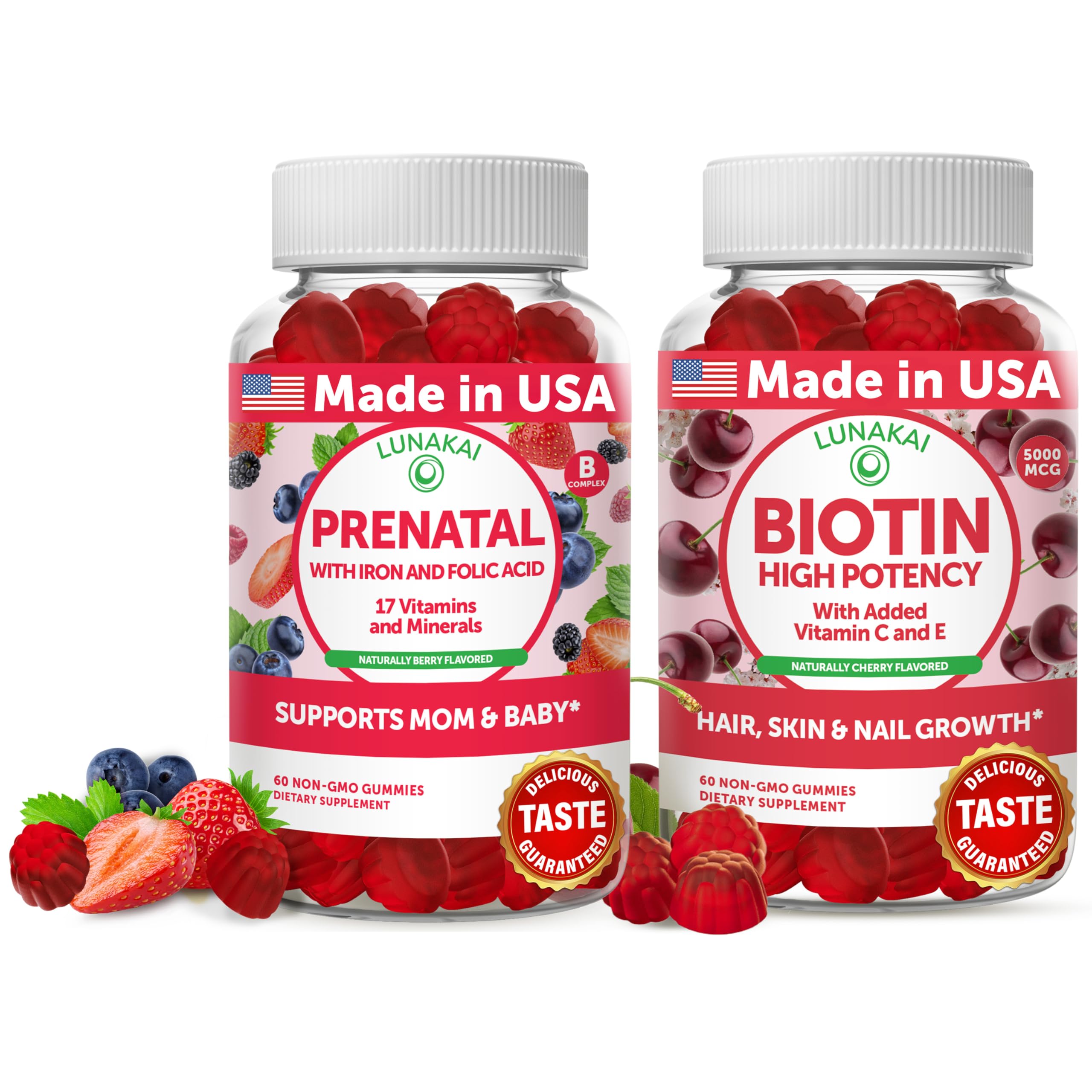
Taking Prenatal Vitamins While Not Pregnant: A Comprehensive Guide
The term "prenatal vitamin" inherently suggests a connection to pregnancy. However, a growing number of individuals who are not pregnant or actively trying to conceive are considering—or already taking—these specialized supplements. This trend raises important questions about safety, efficacy, and purpose. This comprehensive guide explores the science, benefits, and key considerations of taking prenatal vitamins while not pregnant, with a specific focus on the popular and palatable option: prenatal gummies.
Understanding Prenatal Vitamins: More Than Just Pregnancy Support
Prenatal vitamins are meticulously formulated multivitamins designed to meet the increased nutritional demands of pregnancy and fetal development. Their composition is distinct from standard adult multivitamins, typically featuring higher doses of specific nutrients critical for early development.
The core formulation of high-quality prenatal gummies or capsules usually includes:
- Folic Acid (or Folate): Crucial for preventing neural tube defects in early pregnancy. The standard dose in prenatal vitamins is 600-800 mcg.
- Iron: Supports the increased blood volume in the pregnant person and fetal development. Doses typically range from 27-30 mg.
- Calcium & Vitamin D: Essential for building fetal bones and teeth and preserving maternal bone density.
- DHA (Docosahexaenoic Acid): An omega-3 fatty acid vital for fetal brain and eye development.
- Iodine: Important for thyroid function and fetal neurodevelopment.
- Other B Vitamins, Vitamin C, Zinc, and more.
This targeted nutrient profile is what makes the question of non-pregnancy use so relevant. Are these elevated levels beneficial or potentially excessive for someone not supporting a growing fetus?
Key Reasons for Taking Prenatal Vitamins Without a Pregnancy
The decision to use prenatal vitamins outside of pregnancy is not one-size-fits-all. It is often driven by specific health goals or circumstances.
1. Preconception Planning
This is the most medically endorsed reason for non-pregnant individuals to take prenatal vitamins. Health organizations globally recommend that anyone capable of pregnancy and not using highly effective contraception should consider a prenatal vitamin, specifically for the folic acid. Neural tube defects can occur in the first few weeks of pregnancy, often before a person knows they are pregnant. Starting pregnancy vitamins like folic acid gummies at least one to three months before conception ensures optimal nutrient levels from day one.
2. Postpartum and Breastfeeding Support
The nutritional toll of pregnancy and childbirth is significant. The postpartum period, especially if breastfeeding, continues to demand high nutrient levels to support recovery, milk production, and the caregiver's own well-being. Postnatal gummies or continued use of prenatal vitamins can help replenish iron stores depleted during delivery, provide DHA for the baby's continued development via breast milk, and support energy levels. Many healthcare providers advise continuing prenatal vitamins for six months to a year postpartum, or as long as breastfeeding continues.
3. Addressing Nutritional Deficiencies or Hair/Nail Health
Some people are drawn to prenatal vitamins because of anecdotal reports of improved hair growth, stronger nails, and better skin. This is largely attributed to the biotin, folate, iron, and other nutrients they contain. For someone with a diagnosed deficiency in iron or B-vitamins, a prenatal might address that gap. However, for individuals without a deficiency, a standard multivitamin or specific supplement targeted at hair and nails may be more appropriate and avoid unnecessary excess.
4. As a General Multivitamin Alternative
Some individuals find the nutrient profile of a prenatal vitamin more comprehensive or better tolerated than standard multivitamins. However, this requires careful consideration of the dosage differences, particularly for iron.
Benefits vs. Standard Multivitamins: A Detailed Comparison
To understand the unique value proposition, it's helpful to compare prenatal vitamins directly with a standard adult multivitamin.
| Nutrient or Feature | Typical Prenatal Vitamin (Gummy or Capsule) | Typical Adult Multivitamin | Consideration for Non-Pregnant Use |
|---|---|---|---|
| Folic Acid/Folate | High (600-800 mcg) | Moderate (~400 mcg) | Beneficial for preconception; excess is excreted but can mask B12 deficiency. |
| Iron | High (27-30 mg) | Low or None (0-18 mg) | Major differentiator. Can cause GI upset; unnecessary and potentially harmful for many non-pregnant people, especially men. |
| Calcium | Often High (200-300 mg) | Variable | Usually partial dose; dietary intake or separate supplement is often still needed. |
| Vitamin D | Moderate to High (600-1000 IU) | Moderate (400-1000 IU) | Generally beneficial for most adults, supporting immune function and bone health. |
| DHA | Often Included (200-300 mg) | Rarely Included | Beneficial for brain and eye health at any life stage. A key feature of DHA prenatal gummies. |
| Iodine | Included (150-220 mcg) | Sometimes Included | Important for thyroid function; intake should be monitored. |
| Vitamin A | Primarily as Beta-Carotene | Often as Retinol | Prenatals use beta-carotene (converts to A as needed) to avoid fetal toxicity from preformed retinol excess. Safer for general use. |
Key Takeaway: The most significant differences are the high iron and targeted folate levels. For a non-pregnant person, the inclusion of DHA and the careful form of Vitamin A can be benefits, but the iron content requires careful evaluation.
Important Considerations and Potential Side Effects
Taking prenatal vitamins while not pregnant is not without potential downsides. An informed decision requires weighing these factors.
- Iron Overload: For individuals who are not iron-deficient (especially men and post-menopausal women), the high iron in many prenatal formulas (especially non-gummy capsules) is unnecessary. Excess iron can cause constipation, nausea, and stomach pain. In rare cases, it can contribute to iron overload disorders like hemochromatosis.
- Nutrient Excess: Fat-soluble vitamins (A, D, E, K) are stored in the body. While prenatal formulas are designed to be safe, taking them in addition to a fortified diet and other supplements could theoretically lead to excessive intake over time.
- Masking Deficiencies: High folic acid intake can mask the symptoms of a vitamin B12 deficiency, allowing potential neurological damage to progress unnoticed.
- Cost and Formulation: Prenatal vitamins, including premium prenatal gummies, are often more expensive than standard multivitamins. It may not be cost-effective if the specific high-dose nutrients are not needed.
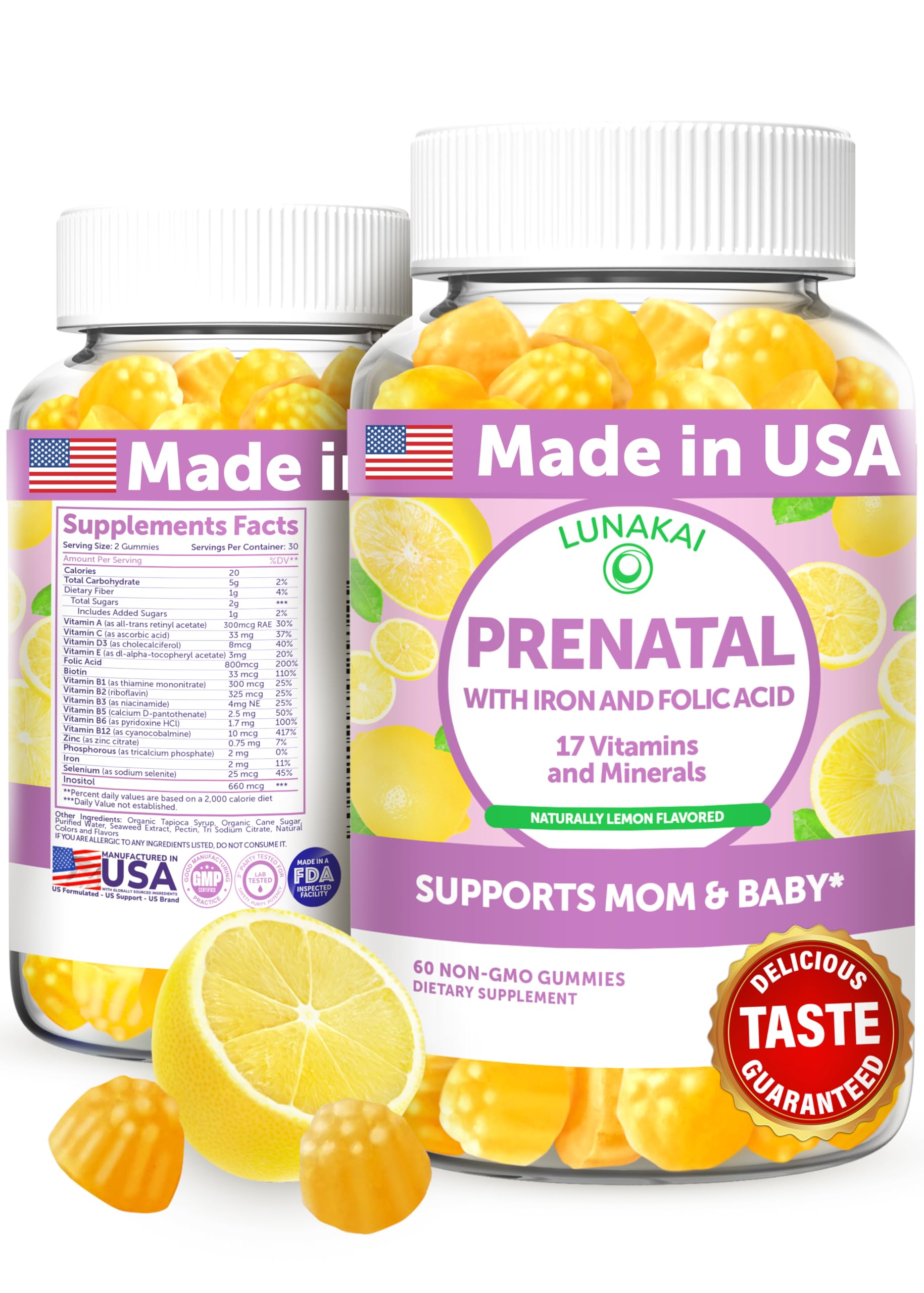
- Gummy-Specific Notes: Prenatal gummies are popular for their taste and ease of taking. However, they often exclude iron and calcium, as these minerals are difficult to formulate in a palatable gummy and can affect texture. This can actually be an advantage for non-pregnant users seeking the other nutrients without the high iron dose. Always check the label.
Actionable Advice: How to Make an Informed Decision
If you are considering taking prenatal vitamins while not pregnant, follow these steps:
- Consult a Healthcare Provider: This is the most critical step. A doctor or registered dietitian can review your diet, health status, and blood work (like iron, folate, and B12 levels) to determine if a prenatal vitamin is appropriate or if a different supplement would better meet your needs.
- Analyze Your "Why": Clearly define your goal. Is it for preconception planning, postpartum recovery, addressing a suspected deficiency, or general wellness? Your goal will guide the conversation with your provider and the formulation you choose.
- Read Labels Meticulously: Whether looking at the best prenatal vitamins 2026 or a standard option, become a label detective. Pay close attention to:
- Iron Content: Do you need this amount? If not, seek an iron-free formula or a gummy that excludes it.
- Folate Form: Look for methylfolate or L-methylfolate, which is the active form that is usable by everyone, unlike folic acid which requires conversion.
- DHA Source and Amount: Ensure it contains at least 200-300 mg of DHA from a sustainable source.
- Third-Party Testing: Opt for brands that are USP-verified or tested by other independent organizations for purity and potency.
- Consider Timing and Diet: Supplements are meant to complement, not replace, a balanced diet. Taking vitamins with food can enhance absorption and reduce stomach upset. For non-pregnant use, consistency is more important than a specific time of day.
- Monitor Your Body: Pay attention to how you feel after starting a new supplement. Note any positive changes or negative side effects like digestive discomfort, and report them to your healthcare provider.
Frequently Asked Questions (FAQ)
Q1: Can taking prenatal vitamins help me get pregnant? A: Prenatal vitamins are not fertility drugs. They do not directly induce ovulation or solve underlying fertility issues. However, by ensuring optimal levels of nutrients like folate, iron, and iodine, they create a nutritionally supportive environment for a potential pregnancy, which is why they are a cornerstone of preconception care.
Q2: Will prenatal vitamins make my hair and nails grow faster? A: They can, but only if your previous hair or nail health was hampered by a deficiency in the nutrients the prenatal provides (like iron, biotin, or folate). If you already have adequate levels, supplementing with more is unlikely to cause significant additional growth. You may see results simply from correcting a deficiency.
Q3: Are prenatal gummies as effective as pills? A: They can be, but you must check the label. Prenatal gummies often lack iron and calcium, so their effectiveness depends on your specific needs. If you require those minerals, you may need a separate supplement. For other nutrients, high-quality gummies are absorbed effectively. Their main advantage is palatability, which improves consistency.
Q4: Is it safe for men to take prenatal vitamins? A: Generally, it is not recommended due to the high iron content, which men rarely need in such quantities. The high folic acid is also not tailored to male nutritional needs. Men seeking a supplement should choose one formulated specifically for men.
Q5: How long should I take prenatal vitamins postpartum? A: Most providers recommend continuing for at least 6 months postpartum, and ideally for the entire duration of breastfeeding. This helps replenish maternal stores and provides nutrients like DHA in breast milk. After weaning, a transition to a standard high-quality multivitamin is often appropriate.
Q6: What should I look for in the "best prenatal vitamins" for non-pregnancy use? A: Look for a formula that aligns with your goals. For general wellness without the need for high iron, an iron-free prenatal gummy with methylfolate, DHA, and a broad spectrum of B-vitamins could be suitable. For preconception, ensure it has at least 400-800 mcg of folate/folic acid. Always prioritize third-party tested brands for quality assurance.
Conclusion
The decision to take prenatal vitamins while not pregnant is a personal one that should be grounded in individual health goals and professional medical advice. For those in the preconception or postpartum stages, they are a vital tool for health. For others, they may offer a beneficial nutrient profile, particularly if opting for iron-free prenatal gummies that provide bioavailable folate, DHA, and other supportive nutrients without unnecessary iron.
The key is intentionality—understanding what is in the supplement, why you are taking it, and how it fits into your overall health picture. By focusing on informed choice, label literacy, and professional guidance, individuals can determine whether this particular tool is the right one for their wellness toolkit.
Affiliate Disclosure
Gummy.mom may earn a commission from purchases made through links on this page. This helps support our research and content creation. We only recommend products we genuinely believe in and have thoroughly researched.