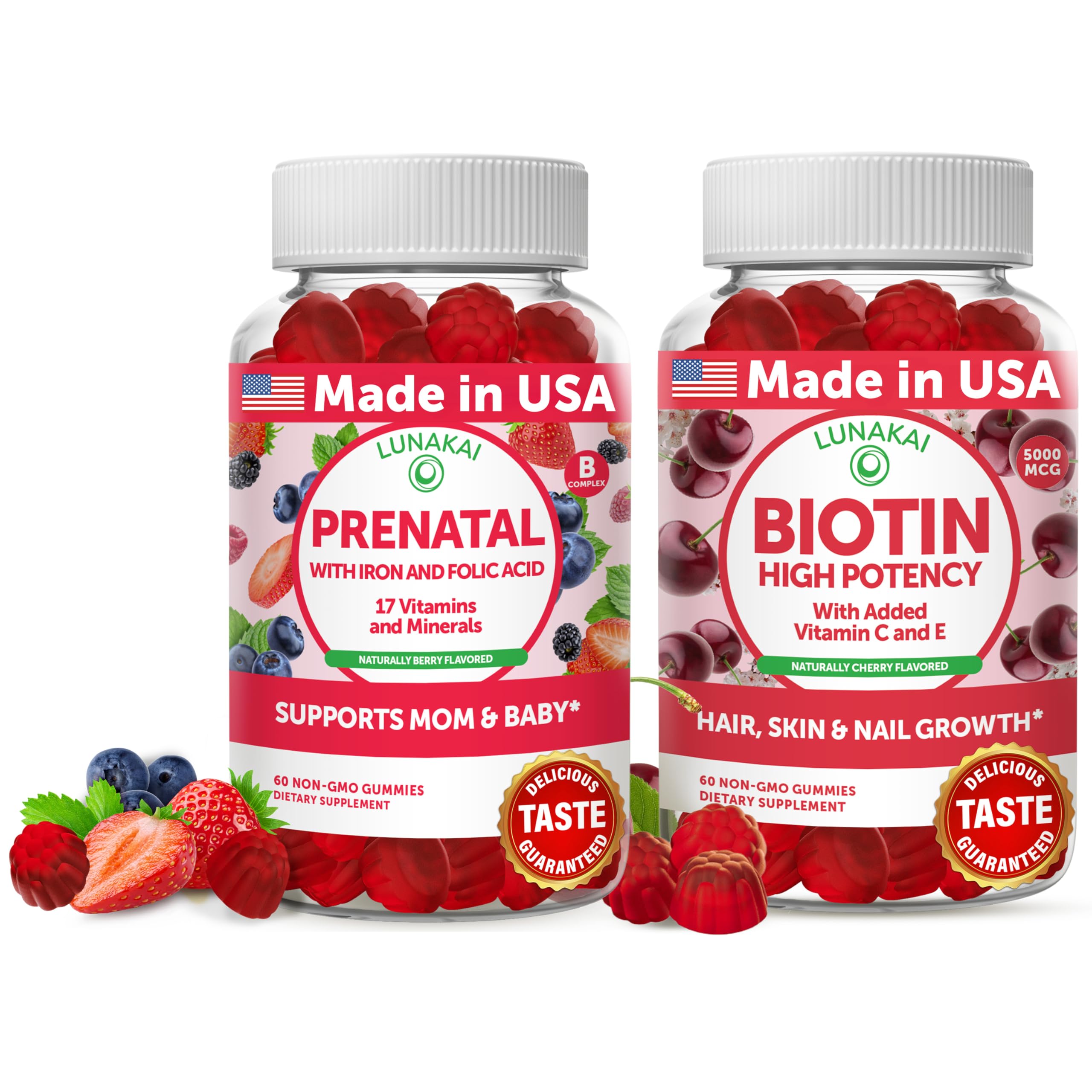
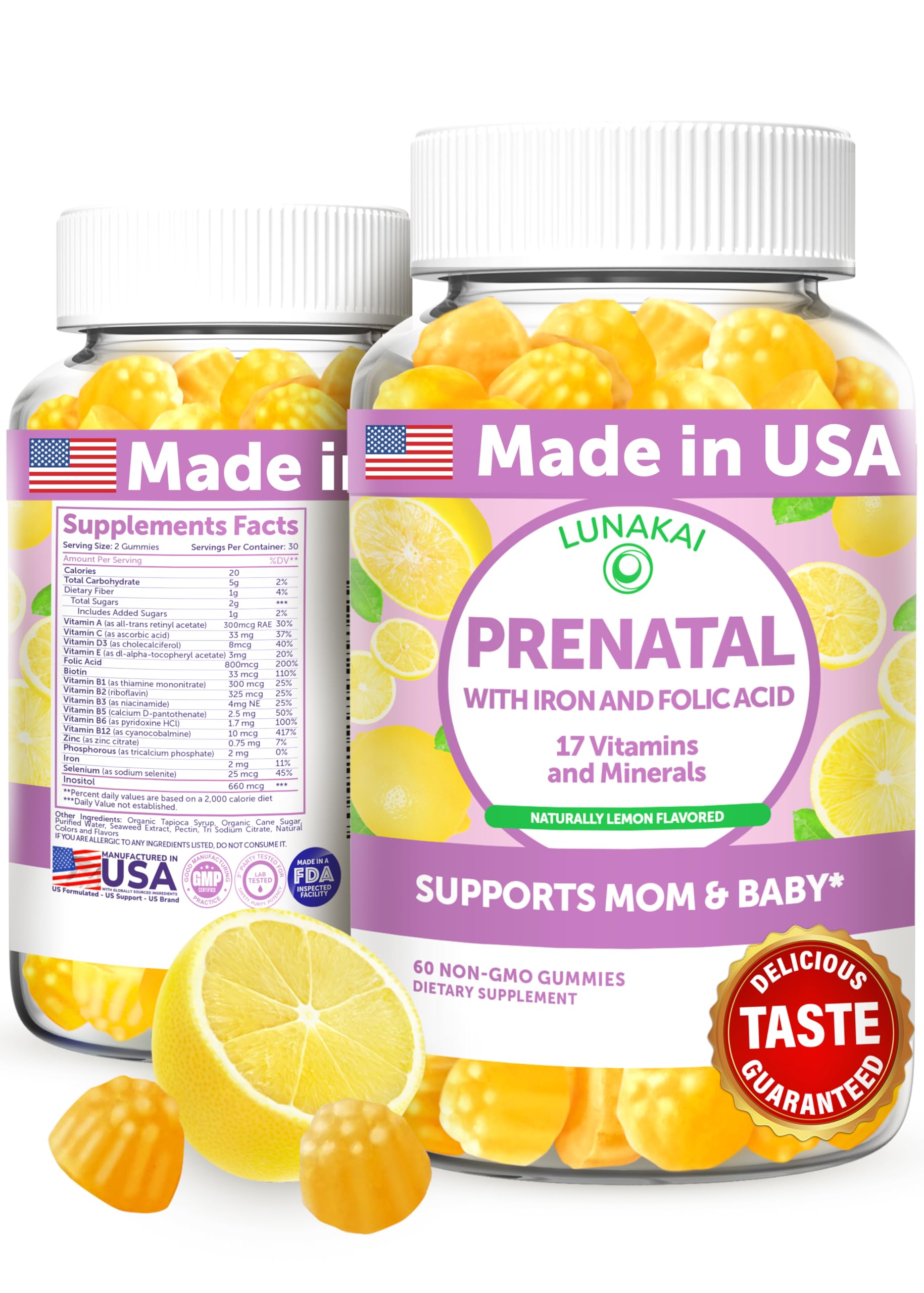
Folic Acid vs Folate Prenatal: The Essential Guide for Expecting Mothers
Choosing the right prenatal vitamin is one of the most important early decisions in a pregnancy journey. Among the sea of nutrients listed on the label, one stands out as non-negotiable: the B vitamin crucial for preventing neural tube defects. However, the terms "folic acid" and "folate" are often used interchangeably, creating significant confusion. Understanding the difference between folic acid and folate in prenatal vitamins is critical for making an informed choice that supports both maternal and fetal health. This comprehensive guide will demystify these terms, explore their roles in a healthy pregnancy, and explain what to look for in prenatal gummies.
The Critical Role of B9 in Pregnancy: Why This Nutrient is Non-Negotiable
Before diving into the forms, it’s essential to understand why this nutrient is the cornerstone of any prenatal regimen. Vitamin B9 is vital for rapid cell division and growth, DNA synthesis, and the formation of red blood cells. During pregnancy, these processes are happening at an extraordinary rate.
The most well-established and critical benefit of adequate B9 intake is the significant reduction in the risk of neural tube defects (NTDs) in the developing baby. NTDs, such as spina bifida and anencephaly, occur in the first few weeks of pregnancy, often before a person even knows they are pregnant. This is why healthcare providers universally recommend that anyone capable of becoming pregnant consume sufficient B9 daily. Beyond NTD prevention, this vitamin supports the placenta's development, helps prevent certain congenital heart defects and cleft lip/palate, and reduces the risk of pregnancy complications like preeclampsia and preterm birth.
Folate vs. Folic Acid: Unpacking the Key Difference
While often used synonymously, "folate" and "folic acid" refer to different forms of vitamin B9. This distinction is at the heart of the prenatal vitamin conversation.
Folate is the general term for the naturally occurring form of vitamin B9 found in whole foods. Good dietary sources include leafy green vegetables (spinach, kale), legumes (lentils, chickpeas), asparagus, avocado, and citrus fruits. The specific, active form of folate that the human body can immediately use is called L-methylfolate or 5-MTHF.
Folic Acid, on the other hand, is the synthetic, oxidized form created in a laboratory. It is the type used in most fortified foods (like breads and cereals) and in the majority of dietary supplements and prenatal vitamins, including many prenatal gummies. Folic acid is designed to be highly stable and bioavailable.
The Metabolism Challenge: The MTHFR Gene Factor
The primary difference lies in how the body processes each form. Folate from food is converted into the active 5-MTHF in the digestive system. Folic acid, however, must undergo a multi-step conversion process in the liver to become active 5-MTHF.
This is where a common genetic variation becomes relevant. A significant portion of the population has mutations in the MTHFR gene, which produces the enzyme responsible for the final step of this conversion. For individuals with this mutation, converting synthetic folic acid into the usable form can be inefficient. This can lead to unmetabolized folic acid circulating in the bloodstream and, theoretically, a lower amount of active folate available for crucial pregnancy processes.
While the science is ongoing, many healthcare practitioners and expecting mothers opt for prenatal vitamins containing the active form (often listed as L-methylfolate, 5-MTHF, methylfolate, or Metafolin®) to bypass this potential conversion issue entirely.
What to Look for in Prenatal Gummies: A Detailed Checklist
Prenatal gummies have gained popularity for their palatability and ease of use, which can be a game-changer for those struggling with pill fatigue or morning sickness. When evaluating prenatal gummies, especially concerning the folic acid vs. folate debate, consider these key factors:
- Form of B9: Check the label meticulously. Does it list "Folic Acid" or an active form like "L-methylfolate" or "(6S)-5-methyltetrahydrofolic acid"? This is the first and most crucial differentiator.
- Dosage: The recommended daily amount for pregnancy is 600 micrograms (mcg) DFE (Dietary Folate Equivalents). For folic acid supplements, 600 mcg is standard. For L-methylfolate, the amount may be slightly lower (e.g., 416 mcg) because it is already in the active form and has a different equivalence. Ensure the dosage meets or is close to this recommendation.
- Other Key Nutrients: A comprehensive prenatal gummy should also include:
- DHA: An omega-3 fatty acid critical for fetal brain and eye development. Look for at least 200-300 mg. DHA prenatal gummies are increasingly common.
- Iron: Often missing from gummies due to taste and texture, but vital for preventing anemia. You may need a separate iron supplement.
- Vitamin D3: Supports immune function and fetal bone development.
- Iodine: Essential for healthy thyroid function and the baby's neurodevelopment.
- Vitamin B12 & B6: Important for energy, red blood cell formation, and may help with nausea.
- Sugar Content: Gummies are often sweetened. Look for options with lower added sugar or those sweetened with fruit juice or alternative sweeteners.
- Third-Party Testing: Verification from organizations like USP, NSF, or ConsumerLab.com ensures the product contains what it claims and is free from contaminants.
Comparison: Folic Acid vs. Folate in Prenatal Context
| Feature | Folic Acid (Synthetic) | Active Folate (L-methylfolate/5-MTHF) |
|---|---|---|
| Form | Synthetic, oxidized | Naturally occurring, bioactive form |
| Source | Fortified foods, most supplements | Whole foods, some advanced supplements |
| Body Processing | Requires multi-step enzymatic conversion in the liver | Bioavailable; body can use it immediately |
| Consideration for MTHFR | May not be efficiently converted by individuals with MTHFR gene mutations | Bypasses the conversion issue; usable regardless of MTHFR status |
| Common in Prenatal Gummies | Very common | Less common, but growing in availability |
| Stability | Highly stable | Slightly less stable, but modern encapsulation techniques protect it |
| Typical Cost | Generally less expensive | Often more expensive |
Dosing, Timing, and Practical Advice for Prenatal Supplementation
When to Start: The neural tube closes by the 28th day of pregnancy. Therefore, supplementation should begin at least one month before conception. Since many pregnancies are unplanned, the standard public health advice is for all individuals of childbearing age to consume 400-800 mcg daily.
How Long to Continue: Prenatal vitamins, including postnatal gummies, are crucial throughout pregnancy and while breastfeeding. Postpartum recovery and milk production demand high nutrient levels, making continued use of a postnatal formula beneficial.
How to Take Them: Gummies are typically taken once or twice daily with food to enhance absorption and prevent any stomach upset. Consistency is more important than the time of day. Since gummies often lack iron (which can cause constipation and is best taken separately), they can be a gentler option for sensitive stomachs.
Diet is Foundational: Supplements are designed to complement, not replace, a nutrient-dense diet. Regularly consuming folate-rich foods like lentils, spinach, and avocado provides a spectrum of co-nutrients and fiber that work synergistically.
Potential Considerations and Side Effects
Prenatal vitamins, including gummies, are generally very safe. However, a few considerations exist:
- Unmetabolized Folic Acid: High intakes of synthetic folic acid from fortified foods and supplements have raised research questions about potential effects, though no harm has been conclusively proven in the context of prenatal use. Using the active form eliminates this concern.
- Over-supplementation: It is possible to get too much of certain fat-soluble vitamins (like A). Always choose a prenatal designed for pregnancy and avoid doubling up on supplements unless directed by a doctor.
- Sugar and Dental Health: The sticky texture and sugar in some gummies can contribute to cavities. It's advisable to take them with a meal and maintain good oral hygiene.
- Allergens: Check labels for gelatin (often animal-based), gluten, or other potential allergens.
- Gastrointestinal Effects: Even without iron, some individuals may experience mild nausea. Taking gummies with a meal usually mitigates this.
The Importance of a Holistic Approach: Beyond the Gummy
While selecting the right pregnancy vitamin is critical, it's one part of a holistic prenatal plan. Regular prenatal care, a balanced diet, appropriate exercise, stress management, and avoiding harmful substances like alcohol and tobacco are all pillars of a healthy pregnancy. Always discuss any supplement, including prenatal gummies, with a healthcare provider who understands your personal and family health history.
Frequently Asked Questions (FAQ)
Q1: I have the MTHFR mutation. Which form should I absolutely choose? A: Individuals with a known MTHFR gene mutation are typically advised to choose a prenatal vitamin containing the active form, L-methylfolate (5-MTHF). This ensures the body receives folate in a readily usable form without relying on the impaired conversion pathway.
Q2: Are prenatal gummies as effective as pills? A: They can be equally effective for the nutrients they contain. The primary compromise is that gummies often exclude minerals like iron and calcium due to taste and texture. If your gummy lacks these, you may need separate supplements to meet your full needs, as determined by your healthcare provider.
Q3: Can I get enough folate from food alone during pregnancy? A: While a folate-rich diet is essential, it is extremely challenging to consistently get the recommended 600 mcg DFE from food alone during pregnancy. Supplementation is universally recommended to guarantee adequate levels for NTD prevention, especially in the critical early weeks.
Q4: Is it safe to take a prenatal with folic acid if I don't know my MTHFR status? A: Yes. Folic acid has been used successfully for decades in public health initiatives that dramatically reduced NTD rates. It is considered safe and effective for the general population. However, if you have a family history of NTDs or unexplained pregnancy complications, discussing active folate with your doctor is prudent.
Q5: Should I switch to postnatal gummies after delivery? A: Yes, postnatal or breastfeeding-specific formulas are highly recommended. They often adjust nutrient levels to support recovery, energy, and milk production—typically maintaining high levels of B vitamins and DHA but potentially reducing the folate dose while adding nutrients like choline, which is vital for postpartum mental health and infant development.
Q6: What makes some prenatal vitamins considered among the 'best prenatal vitamins'? A: The "best" prenatal is one that is complete, high-quality, and that you will take consistently. Key hallmarks include: a bioavailable form of folate (especially for 2026 and beyond, as awareness grows), adequate DHA (200-300mg), essential minerals like iron and iodine, third-party testing for purity and potency, and a delivery method (pill, gummy, powder) that suits your lifestyle and tolerance.
Disclaimer: This article is for informational purposes only and does not constitute medical advice. The information is not intended to diagnose, treat, cure, or prevent any disease. Always consult with a qualified healthcare professional, such as your obstetrician or a registered dietitian, before starting any new supplement regimen, especially during pregnancy and lactation. They can provide guidance tailored to your individual health profile and needs.
Affiliate Disclosure
Gummy.mom may earn a commission from purchases made through links on this page. This helps support our research and content creation. We only recommend products we genuinely believe in and have thoroughly researched.