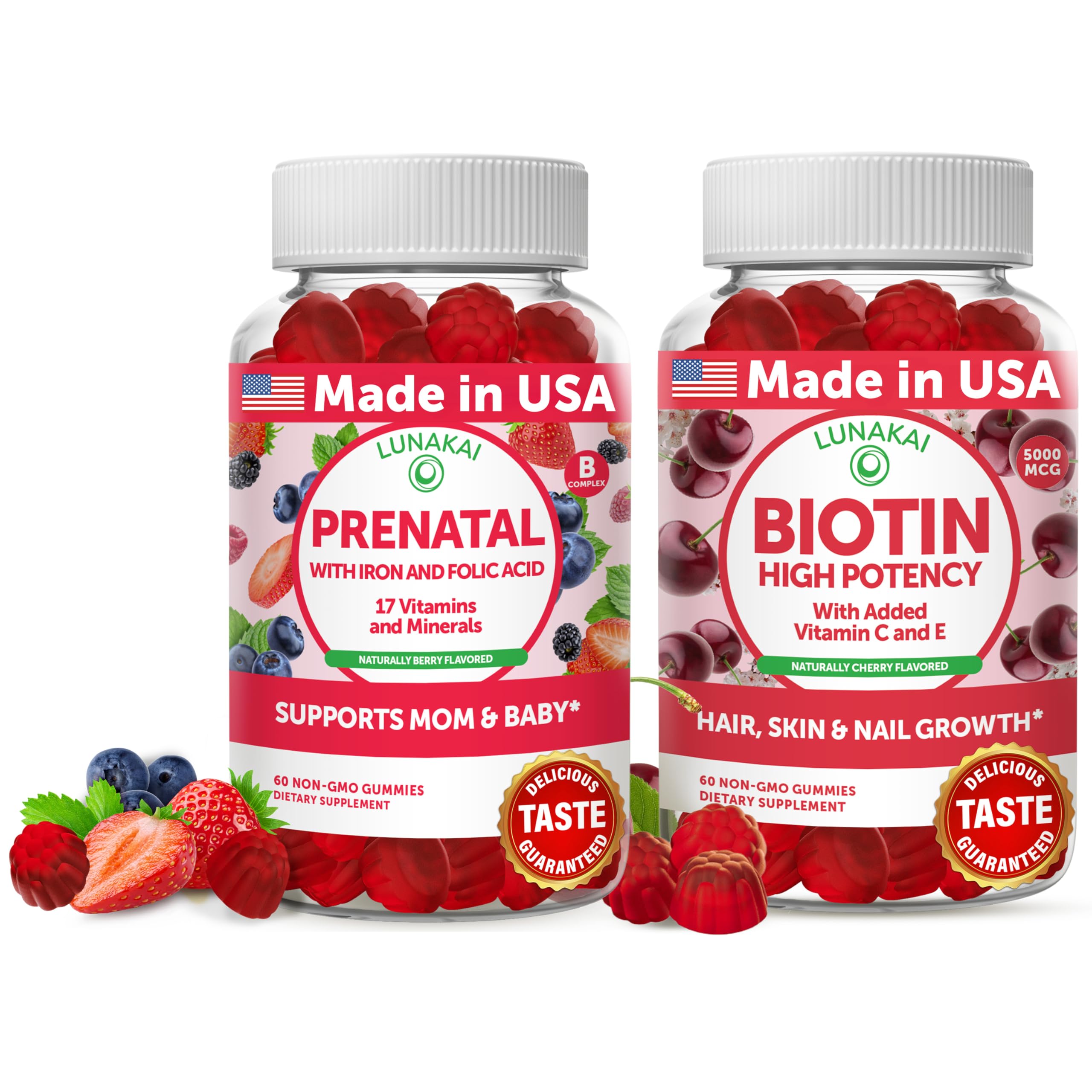
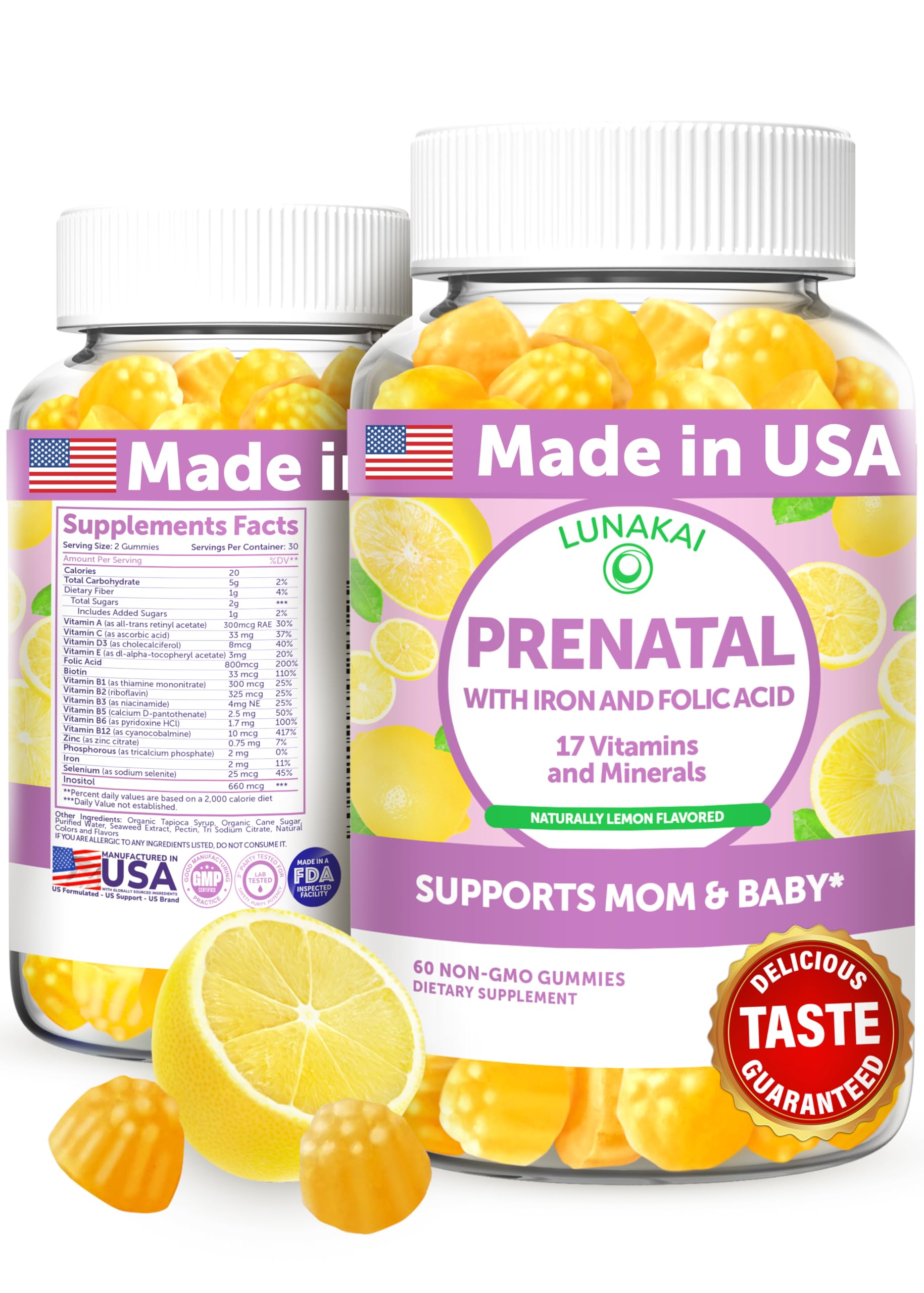
Prenatal Gummy Vitamins Side Effects: A Complete Guide for Expecting and New Moms
Prenatal gummy vitamins have surged in popularity, offering a palatable and convenient alternative to traditional pills for expecting and new mothers. Their chewy texture and pleasant flavors can make the daily ritual of supplementing easier, especially during the first trimester when nausea is common. However, like any supplement, prenatal gummies come with their own set of considerations and potential side effects. This comprehensive guide explores the benefits, mechanisms, and important details about prenatal gummy vitamins side effects, empowering you to make an informed choice for your pregnancy and postpartum journey.
What Are Prenatal Gummy Vitamins?
Prenatal gummy vitamins are dietary supplements specifically formulated to support the nutritional needs of women before conception, during pregnancy, and while breastfeeding. They are designed to fill nutritional gaps in a mother's diet, ensuring both she and her developing baby receive essential vitamins and minerals. Unlike traditional capsules, they are made with a gummy base, often containing gelatin or pectin, and are sweetened with sugars or sugar alcohols.
The key benefits of prenatal gummies center on their delivery of critical nutrients. Most high-quality formulas include:
- Folic Acid (or Folate): Crucial for preventing neural tube defects in the developing fetus.
- DHA (Docosahexaenoic Acid): An omega-3 fatty acid vital for fetal brain and eye development.
- Iron: Supports the increased blood volume in pregnancy and helps prevent anemia.
- Vitamin D: Aids in calcium absorption for building baby's bones and supports maternal immune function.
- Iodine: Essential for healthy thyroid function and fetal neurodevelopment.
- Calcium: Important for building fetal bones and teeth while preserving maternal bone density.
Their palatable nature can significantly improve adherence, ensuring consistent nutrient intake, which is one of the most compelling reasons many opt for the best prenatal vitamins in gummy form.
Common Side Effects of Prenatal Gummy Vitamins
While generally well-tolerated, prenatal gummies can cause side effects, often related to their specific formulation or individual sensitivity. Understanding these can help in managing and potentially preventing discomfort.
1. Gastrointestinal Discomfort
This is among the most frequently reported issues.
- Nausea and Upset Stomach: Sometimes caused by taking vitamins on an empty stomach. The iron content, though often lower in gummies than pills, can still irritate some individuals.
- Constipation: Iron is a known contributor to constipation. Many prenatal gummies contain little to no iron for this reason, which is a critical consideration (discussed later).
- Diarrhea or Loose Stools: This can result from high doses of certain nutrients like vitamin C or magnesium, or from sugar alcohols (like sorbitol or mannitol) used as sweeteners in sugar-free gummies.
2. Dental Concerns
The appealing taste of folic acid gummies and other prenatal gummies comes with a caveat.
- Tooth Decay: Gummies can stick to teeth longer than pills or liquids, and their sugar content can feed cavity-causing bacteria. Even those sweetened with alternative sugars can have an acidic coating that may affect enamel.
3. Nutrient Overload and Imbalances
"More" is not always better with vitamins.
- Fat-Soluble Vitamin Accumulation: Vitamins A, D, E, and K are stored in body fat. Excessive intake, particularly of preformed Vitamin A (retinol), can become toxic and potentially harm the fetus.
- Nutrient Interference: High doses of one mineral can inhibit the absorption of another. For example, excessive calcium can interfere with iron absorption.
4. Allergic Reactions and Sensitivities
Always check the label.
- Gelatin: Derived from animal sources (often pork or beef), which is a concern for vegetarians, vegans, or those with religious restrictions.
- Food Dyes and Additives: Some gummies use artificial colors or flavors that may cause sensitivities in some individuals.
- Common Allergens: May be manufactured in facilities that process nuts, soy, or gluten.
Critical Considerations: What Prenatal Gummies Often Lack
One of the most significant points of discussion around prenatal gummies side effects is actually about what they don't contain. This gap is a vital consideration for maternal health.
| Nutrient | Importance in Pregnancy | Presence in Most Gummies | Consideration |
|---|---|---|---|
| Iron | Prevents maternal anemia; supports fetal growth and placenta development. | Often EXCLUDED or in very low doses. | A major drawback. Many pregnant women require 27 mg daily. An additional iron supplement may be necessary, which can cause constipation/nausea. |
| Calcium | Builds fetal bones/teeth; preserves maternal bone density. | Often EXCLUDED or in low doses due to bulk/mineral taste. | Daily requirement jumps to 1,000-1,300 mg. Diet or a separate supplement is typically needed. |
| Full Spectrum of Nutrients | Comprehensive support. | May have limited nutrients due to gummy format constraints. | It's crucial to compare the label against recommended daily allowances for pregnancy. |
The Iron Dilemma: Iron is difficult to incorporate into a gummy without affecting taste, texture, and color. It can also worsen pregnancy-related constipation. Therefore, many DHA prenatal gummies are iron-free. This makes them potentially unsuitable as a standalone supplement for women with or at risk for iron-deficiency anemia, a common pregnancy condition. A healthcare provider can check iron levels and recommend a separate supplement if needed.
How to Minimize Potential Side Effects
Practical strategies can help you gain the key benefits of prenatal gummies while mitigating downsides.
- Timing is Key: Take gummies with a meal or snack. Food in the stomach can buffer against nausea and improve the absorption of fat-soluble vitamins (A, D, E, K) and DHA.
- Prioritize Dental Hygiene: Chew gummies, then drink a full glass of water. Brush your teeth 30-60 minutes afterwards to remove residual sugars and acids without damaging softened enamel.
- Read Labels Meticulously: Look for:
- Third-Party Certification: Seals from USP, NSF, or ConsumerLab.com indicate verified purity and potency.
- Folate Form: Methylfolate or L-methylfolate is a bioavailable form, beneficial for those with the MTHFR gene variant.
- DHA Source: Look for its origin (often algae or fish oil) and amount.
- Sugar Content: Opt for lower-sugar options, but be mindful of sugar alcohol content if they cause GI distress.
- Don't Double Up: Never take two gummies to "make up for" a missed dose unless directed by a doctor. Stick to the recommended serving.
- Store Properly: Keep the bottle tightly sealed in a cool, dry place. The appealing candy-like form can lead to accidental overconsumption by children, so store them out of reach.
Prenatal vs. Postnatal Gummies: Is There a Difference?
The nutritional needs of the body shift after birth, especially if breastfeeding. Postnatal gummies are formulated to support recovery and lactation.
- Prenatal Focus: Higher folic acid/folate for fetal development; often includes DHA for fetal brain/eye growth.
- Postnatal Focus: May maintain DHA for brain health (passed through breastmilk); often higher in nutrients like B vitamins for energy, and sometimes include lactation-supporting herbs like fenugreek. Iron may be included to replenish maternal stores lost during delivery.
Some women continue their pregnancy vitamins postpartum, but switching to a postnatal-specific formula can better align with the body's recovery phase. A healthcare provider can offer the best guidance.
Choosing the Right Prenatal Gummy: An Actionable Checklist
When searching for the best prenatal vitamins 2026 or today, use this checklist:
- Contains Key Nutrients: At least 400-800 mcg of folic acid (or methylfolate), 150-300 mg of DHA, Vitamin D, Iodine, and Vitamin B12.
- Addresses Gaps: Have a plan for iron and calcium, either through diet or additional supplements as advised by a doctor.
- Quality Assurance: Look for third-party testing seals to ensure what's on the label is in the bottle and free from contaminants.
- Aligns with Dietary Needs: Vegan? Choose pectin-based gummies with algae-derived DHA. Allergies? Check for gluten-free, soy-free, etc., certifications.
- Tolerability: Start with a small supply to see how your body reacts before committing to a large bottle.
Frequently Asked Questions (FAQ)
Q1: Can prenatal gummy vitamins cause weight gain? A: The vitamins and minerals themselves are not significant sources of calories. However, the sugar content in gummies adds extra calories. Two gummies can contain 5-10 grams of sugar. While this alone is unlikely to cause substantial weight gain, it is an added dietary sugar that should be accounted for within a balanced pregnancy diet.
Q2: Are there any side effects specific to DHA in prenatal gummies? A: DHA, typically sourced from fish oil or algae, can sometimes cause a fishy aftertaste or mild burping. High-quality formulas are often processed to minimize this. Taking them with food usually helps. Allergic reactions to the source (fish or algae) are rare but possible.
Q3: I feel nauseous after taking my prenatal gummy. What can I do? A: First, try taking it in the middle of a meal or right before bed with a small snack. If nausea persists, check the iron content. Even small amounts can bother some. You may need to discuss an iron-free gummy with a separate, gentle iron supplement (like ferrous bisglycinate) taken at a different time of day with your provider.
Q4: How long should I take prenatal/postnatal gummies? A: It is generally recommended to start taking prenatal vitamins at least one month before conception. Continue throughout pregnancy. If breastfeeding, continuing with either your prenatal or switching to a postnatal gummies formula is advised for at least the first six months postpartum, or as long as breastfeeding continues, to support nutrient-replenishment and milk quality.
Q5: Can I take prenatal gummies if I'm not pregnant but trying to conceive? A: Absolutely. In fact, it is highly recommended. Building up nutrient stores, particularly folate, before pregnancy is crucial for the earliest stages of fetal development, which often occurs before a woman knows she is pregnant.
Q6: Are sugar-free prenatal gummies a better option? A: They are better for dental health and for managing sugar intake. However, they are often sweetened with sugar alcohols like sorbitol, which can cause gas, bloating, and diarrhea in sensitive individuals, especially in the amounts needed for a sweet gummy. It's a trade-off between sugar content and potential GI side effects.
Conclusion: An Informed Choice for a Healthy Journey
Prenatal gummy vitamins offer a valuable and user-friendly way to support a healthy pregnancy and postpartum recovery. Their primary advantage is adherence—you’re more likely to take a supplement you enjoy. However, being aware of potential prenatal gummy vitamins side effects, from gastrointestinal issues and dental concerns to the significant common lack of iron and calcium, is essential for making them work effectively for you.
The most informed approach involves treating them as one part of a nutritional strategy. Always disclose any supplement use to your obstetrician or midwife. They can help you interpret your individual nutritional needs based on your diet, health status, and bloodwork, ensuring that you and your baby receive comprehensive, safe, and effective support throughout this incredible chapter of life. By choosing a high-quality product, managing intake wisely, and filling potential nutrient gaps, you can confidently harness the key benefits of prenatal gummies for a healthier pregnancy and beyond.
Affiliate Disclosure
Gummy.mom may earn a commission from purchases made through links on this page. This helps support our research and content creation. We only recommend products we genuinely believe in and have thoroughly researched.